
 By
By 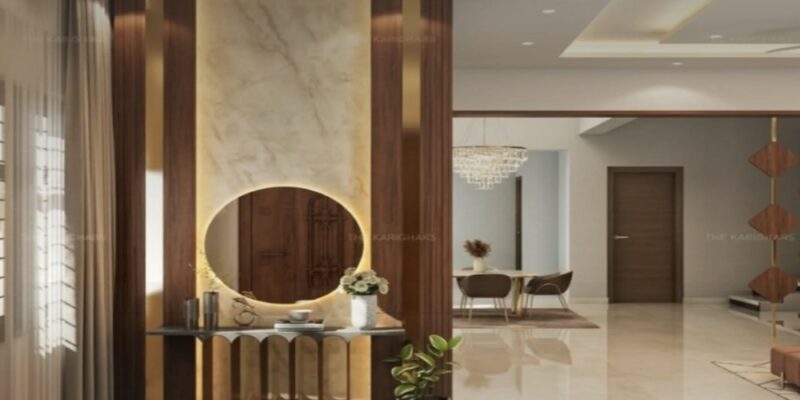
Modern minimalist house design is often misunderstood as cold, empty, or stark. Done well, it is the opposite. A good minimalist home feels calm, warm, and quietly confident, the kind of space where everything has a purpose and nothing fights for attention. In a fast-moving city, a home that feels uncluttered becomes a genuine retreat.
The catch is that minimalism is far harder to get right than it looks. When you take things away, whatever remains has to be exceptional, which is why the most successful minimalist homes are rarely accidental. This is the kind of considered, effortless result that premium interior designers in Bangalore work towards, where nothing is bare for its own sake and every choice feels deliberate.
Key Points at a Glance
- Minimalism is about intention and quality, not simply owning less.
- Clean lines, open space, and a calm palette form the foundation.
- Warm materials and texture keep a minimalist home from feeling cold.
- Clever storage is what makes a clutter-free look possible.
- Fewer, better pieces always beat many ordinary ones.
What Modern Minimalist Design Really Means
At its heart, minimalist design is about removing the unnecessary so the essential can shine. It is not about deprivation, but about clarity. Every element, from the furniture to the lighting, earns its place by being useful, beautiful, or ideally both. What you leave out matters as much as what you keep.
Modern minimalism softens the strict, austere minimalism of the past. Today the look is warmer and more liveable, built on natural materials, gentle curves, and a comfortable sense of space rather than hard edges and pure white walls. The result feels human rather than museum-like, which is why it has become one of the defining directions in home design.
Clean Lines and Open Space
The first principle of modern minimalist house design is simplicity of form. Clean, uninterrupted lines give a home a sense of order, while open, flowing layouts let each space breathe. Walls are kept simple, profiles slim, and the architecture itself is allowed to do the work rather than being covered in detail.
Space is treated as a feature in its own right. Rather than filling every corner, a minimalist home leaves deliberate breathing room around furniture, so the eye can rest. This openness makes even a compact home feel generous, and it is one of the simplest yet most powerful tools in the minimalist approach.
A Calm, Considered Palette
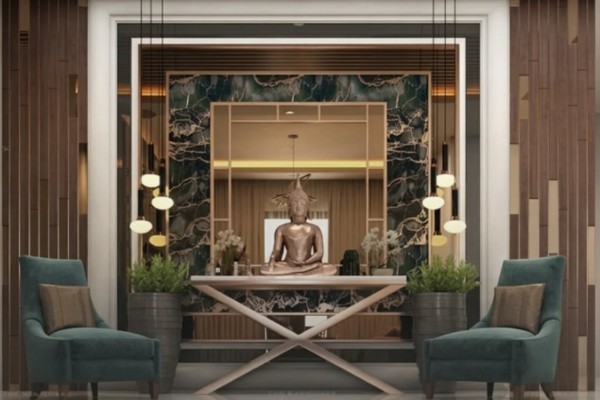
Colour in a minimalist home is usually quiet. Warm whites, soft greys, beiges, and natural earth tones form the base, creating a cohesive backdrop. This restraint is not about being plain. It allows texture, light, and form to take centre stage, and lets the few pieces in a room stand out without competing.
Interest comes from variation rather than contrast. Different shades of the same tone, a range of natural textures, and the play of light across a surface give a minimalist room depth and warmth. When colour is introduced, it tends to be through a single considered accent rather than several competing shades.
Material and Texture
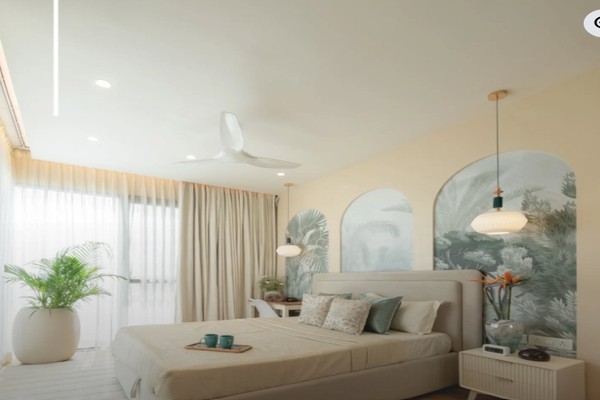
This is the part that separates a warm, inviting home from a cold one. Without pattern and clutter to fall back on, materials and texture carry the room. Natural timber, stone, linen, wool, and hand-finished plaster bring depth that flat, synthetic surfaces never achieve.
Layering these textures is what gives a minimalist space its richness. A timber floor against a stone wall, a linen sofa softened with a wool throw, a plaster finish beside grained wood, these combinations keep the eye engaged in a quiet way. It is texture, more than anything, that makes modern minimalism feel like a home rather than a showroom.
Storage
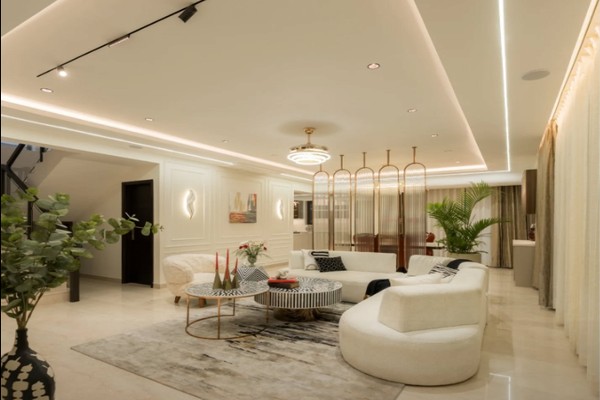
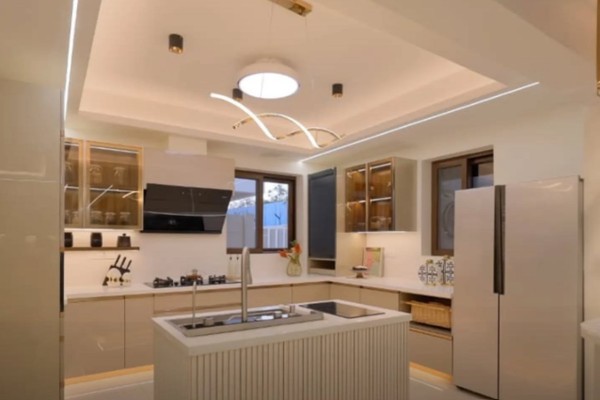
A minimalist look is impossible to maintain without somewhere to put everything, which is why clever storage sits at the core of good minimalist design. The aim is to keep surfaces clear and clutter hidden, so the calm look holds up in daily life rather than only in photographs.
This is where bespoke, built-in solutions come into their own. Concealed cabinetry, full-height wardrobes, and integrated storage that disappears into the architecture allow a home to stay tidy without feeling sparse. Done well, the storage is invisible, and the home feels effortlessly ordered because the practical needs of daily living have been designed in from the start.
Common Mistakes to Avoid
- Going too bare. Stripping a room back too far makes it feel cold. Warmth through texture is essential.
- Forgetting storage. Without hidden storage, clutter creeps back and the look falls apart.
- All-white everything. A purely white scheme can feel clinical. Warm neutrals are kinder and more liveable.
- Ignoring lighting. Flat lighting kills a minimalist room. Layered, warm light brings it to life.
Why Choose The KariGhars
Modern minimalist design demands precision, restraint, and a real understanding of materials, and that is how we approach it. At The KariGhars, we design homes as complete and personal commissions, bringing together architecture, material, and light into spaces that feel as considered as they are liveable. Working with premium interior designers in Bangalore means every decision is made with intention, so your minimalist home feels warm and effortless rather than empty.
In Closing
Modern minimalist house design is not about having less for its own sake. It is about choosing well, editing with confidence, and letting quality, light, and space speak for themselves. When the lines are clean, the palette is calm, and the materials are warm, the result is a home that feels serene, personal, and quietly luxurious. That is minimalism done well, and it begins not with more, but with better.
Frequently Asked Questions
What is modern minimalist house design?
It is an approach focused on simplicity, clean lines, and intentional choices, where every element serves a purpose. Modern minimalism is warmer than older, stricter styles, using natural materials and a calm palette to create a home that feels serene rather than stark.
Does a minimalist home have to feel cold?
Not at all. Warmth comes from natural materials and layered textures like timber, stone, linen, and wool, along with a warm neutral palette and good lighting. A well-designed minimalist home feels calm and inviting, not clinical.
How do I keep a minimalist home clutter-free?
Clever, concealed storage is the key. Built-in cabinetry, full-height wardrobes, and integrated storage keep everyday items out of sight, so surfaces stay clear and the calm look holds up in daily life.
Is minimalist design more expensive?
It can involve a higher investment per piece because quality matters more when there is less to hide behind. However, buying fewer, better things that last often makes it a sound long-term choice.







Comments