
 By
By 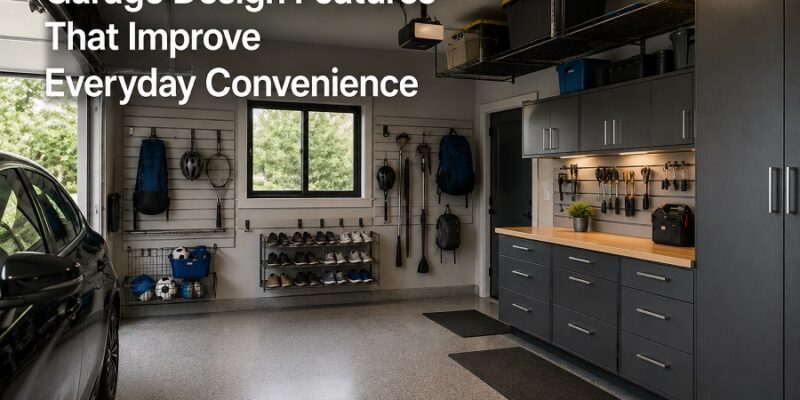
When it comes to home improvement projects, the garage often gets overlooked in favor of kitchens, bathrooms, or living spaces. Yet this hardworking area serves as everything from vehicle storage to workshop, home gym, and even a secondary entry point for your household. Thoughtful garage sheds and well-planned garage design can transform this underutilized space into one of the most convenient areas of your home. The right features don’t just add value—they make your daily routines smoother, safer, and more efficient.
Whether you’re building a new garage or retrofitting an existing one, focusing on convenience-focused design elements can dramatically improve how you use the space. From smart storage solutions to better lighting and workflow considerations, here’s what you need to know about creating a garage that works as hard as you do.
Strategic Storage That Actually Works
One of the biggest complaints homeowners have about their garages is clutter. Tools, sporting equipment, seasonal decorations, and automotive supplies tend to pile up until there’s barely room to park the car. The solution isn’t just adding more storage—it’s adding the right kind of storage in the right places.
Wall-mounted cabinet systems have become increasingly popular because they keep items off the floor and protected from moisture. Unlike freestanding shelves that can tip or obstruct walkways, wall-mounted options maximize vertical space while keeping the floor clear for vehicles and movement. Look for cabinets with adjustable shelving so you can reconfigure as your storage needs change over time.
Overhead storage racks are another game-changer for items you don’t need frequent access to. Holiday decorations, camping gear, and rarely used tools can live above your head, freeing up valuable wall and floor space. Modern systems are designed for easy loading and unloading, often with pulley mechanisms or drop-down designs that make retrieval simple.
Pegboard walls might seem old-fashioned, but they’ve evolved significantly. Today’s systems offer specialized hooks, bins, and attachments for everything from bicycles to power tools. The visual nature of pegboard storage also helps you quickly identify where items belong, making cleanup faster and more intuitive.
For those who use their garage as a workshop, consider a combination of closed cabinets for dust-sensitive items and open shelving for frequently used tools. A dedicated workbench with built-in storage underneath creates an efficient workspace without sacrificing floor space.
Lighting That Makes a Difference
Good lighting is often the difference between a garage that feels like a dungeon and one that functions as a proper extension of your home. Unfortunately, many builders install the absolute minimum—a single bulb in the center of the ceiling—and call it done.
Layered lighting is the approach that works best. Start with bright overhead LED fixtures that provide general illumination throughout the space. These should be positioned to eliminate shadows, particularly around parking areas and workbenches. LED technology has advanced significantly, offering bright, daylight-balanced illumination without the heat output of older fluorescent tubes.
Task lighting is equally important. Motion-sensor LED strips under cabinets illuminate work surfaces without casting shadows from your own body. Motion-sensor lights near entry points—both the main garage door and any side doors—add convenience and safety, automatically turning on when you approach.
Don’t forget natural light. If your budget and structure allow, adding windows or a dedicated pedestrian door with glass panels can make an enormous difference in how the space feels. Natural light reduces the need for artificial lighting during daytime hours and makes the garage feel more connected to the outdoors rather than like a cave.
Flooring That Stands Up to Real Life
Garage floors take a beating. Oil drips, road salt, dropped tools, and constant foot and vehicle traffic mean that standard concrete quickly shows its age. Upgrading your flooring isn’t just about aesthetics—it’s about creating a surface that’s easier to clean, safer to walk on, and more resistant to damage.
Epoxy coatings remain a popular choice for good reason. They create a seamless, chemical-resistant surface that’s easy to sweep or hose clean. Modern epoxy systems come in a variety of colors and finishes, some with decorative flakes that add texture and hide minor imperfections. The texture also improves traction, which is valuable when the floor gets wet.
Interlocking floor tiles offer a different approach. These modular systems can be installed by homeowners and allow for easy replacement of damaged sections. They’re available in various materials, from durable plastic to rubber compounds that provide cushioning for those who stand for extended periods in their garage workshops.
For a more industrial approach, polished concrete with a sealer offers excellent durability and a sleek appearance. This option requires professional installation but provides a surface that’s virtually maintenance-free.
Climate Control Considerations
If you use your garage for more than parking cars—whether as a workshop, home gym, or hobby space—temperature control becomes relevant. An uninsulated garage can feel like an oven in summer and a freezer in winter, limiting when and how you can use the space.
Insulating the walls and ceiling is the first step. If your garage is attached to your home, this is especially important for energy efficiency, as an uninsulated garage can affect the temperature of adjacent rooms. Insulated garage doors are also available and make a noticeable difference.
For heating and cooling, options range from portable space heaters and fans to dedicated mini-split systems that provide year-round climate control. The right choice depends on your climate, budget, and how frequently you use the space.
Ventilation matters too, especially if you’re working with paints, solvents, or running vehicles inside. An exhaust fan or passive ventilation system removes fumes and helps regulate temperature without requiring a full HVAC installation.
Electrical Planning for Modern Needs
Electrical needs have grown significantly over the years. What used to require one or two outlets now needs to accommodate battery chargers, power tools, shop vacuums, refrigerators, and increasingly, electric vehicle charging stations.
Plan your electrical layout thoughtfully. Outlets every six feet along walls is a good baseline. Include dedicated circuits for high-draw items like welders, compressors, or EV chargers. Consider outlets at counter height for workshop areas, and don’t forget about ceiling-mounted receptacles if you plan to install overhead lighting or storage systems that require power.
USB outlets and smart outlets are relatively inexpensive upgrades that add convenience. Voice-controlled lighting or smart switches let you turn on lights without fumbling for switches when your hands are full.
If an electric vehicle is in your future—or you already own one—planning for a charging station now saves retrofitting later. Even if you don’t need it immediately, running conduit to accommodate future installation is far easier during construction or renovation.
Workflow and Traffic Flow Considerations
A truly convenient garage considers how you move through and use the space. This means thinking beyond individual features to the overall layout.
Consider creating designated zones: parking, workshop, storage, and perhaps a transition area near the entry to your home. Each zone should have appropriate lighting, storage, and electrical access for its purpose.
Walkways should be wide enough to navigate comfortably, even when carrying groceries or tools. Three feet is a minimum for primary pathways. Avoid creating dead ends or spaces where you’ll need to shuffle items around to access what you need.
The area around the door to your home deserves special attention. A bench or table near this entry provides a place to set items temporarily while unlocking doors. Shoe storage near this transition point helps keep dirt and debris from tracking inside.
If you frequently unload groceries or other items from your vehicle, a path from the parking area to the house door that doesn’t require navigating around stored items makes daily life easier.
Security and Access Features
Convenience includes easy access when you need it and security when you don’t. Modern garage door openers offer features that older systems lack.
Smart garage door openers let you check whether the door is open or closed from anywhere, receive alerts when it operates, and provide access to others temporarily. This is valuable for deliveries, service appointments, or simply the peace of mind of knowing you didn’t leave the door open after leaving.
Keypad entry eliminates the need for physical keys and lets you share access with family members or service people. Some systems integrate with home automation platforms, allowing your garage door to trigger other actions—turning on lights, adjusting thermostats, or notifying you when someone arrives.
Motion-activated exterior lighting adds security and convenience when arriving home after dark. The same technology inside the garage means you’re never fumbling for light switches in the dark.
Future-Proofing Your Garage Design
The most convenient garage is one that accommodates not just your current needs but also foreseeable future needs. Even if you don’t implement every feature immediately, planning for them saves significant expense and disruption later.
Running conduit for future electrical needs, ensuring structure can support overhead storage, and leaving room for future equipment ensures your garage can evolve as your needs change. Universal design principles—like wider doorways and zero-threshold entries—accommodate changing mobility needs and add resale value.
Consider too how your household might change. Young families may need space for strollers, car seats, and outdoor toys. Empty nesters might repurpose the space differently. Designing with flexibility in mind means your garage remains convenient regardless of life’s changes.
The Bottom Line on Garage Design
A well-designed garage isn’t about luxury—it’s about creating a space that makes daily life easier and more efficient. From smart storage that keeps clutter at bay to lighting that eliminates the frustration of working in dim conditions, each feature contributes to a space that truly serves your household.
The best approach combines thoughtful planning with quality implementation. Whether you’re building new, renovating, or making incremental improvements, focusing on convenience ensures your investment pays dividends every day. Your garage has the potential to be one of the most useful spaces in your home—when you design it with intention and attention to how you actually live.











Comments