 By
By 
A commercial roof is one of the most important parts of any business building. It protects employees, equipment, products, and interior spaces from rain, wind, heat, snow, and other weather conditions. However, even a high-quality roofing system may not perform well if it is installed incorrectly. Proper commercial roof installation helps create a strong, reliable roof that can provide protection for many years.
Protects the Building From Water Damage
One of the main jobs of a commercial roof is to keep water out of the building. Poor installation can leave gaps, weak seams, or areas where water can collect. Over time, these problems may lead to leaks, damaged insulation, mold growth, and costly repairs.
A properly installed roof includes secure seams, sealed edges, and carefully installed flashing around areas such as vents, drains, and rooftop equipment. These details help direct water away from vulnerable areas and reduce the risk of moisture entering the building.
Helps the Roof Handle Severe Weather
Commercial buildings in New Jersey can experience different weather conditions throughout the year. Heavy rain, strong winds, snow, and changing temperatures can place stress on a roofing system.
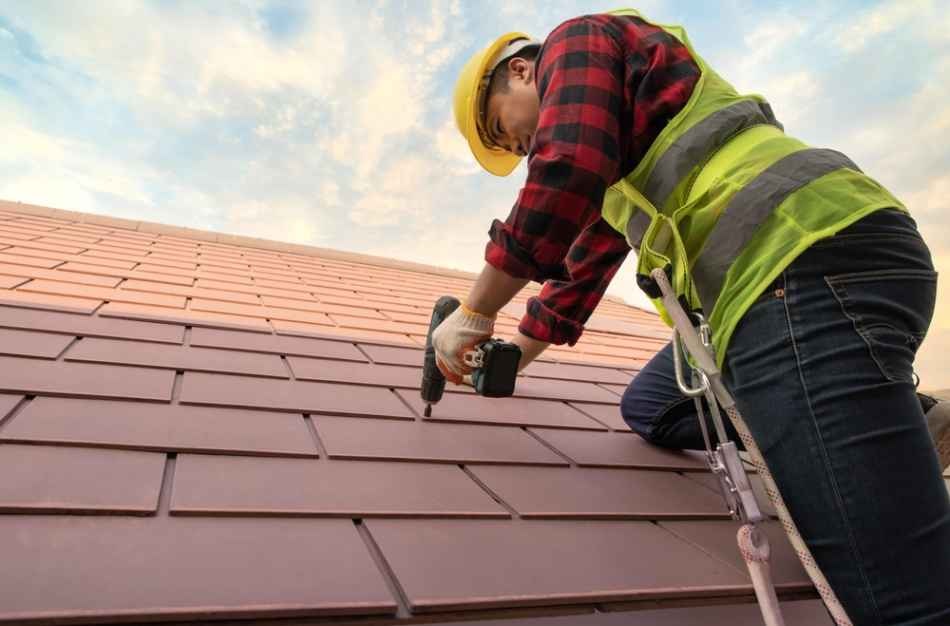
Proper installation helps make sure the roof is securely attached and prepared to handle these conditions. Roofing materials must be installed according to the manufacturer’s guidelines and local building requirements. When every part of the system is installed correctly, the roof has a better chance of remaining stable during difficult weather.
Extends the Life of the Roofing System
A commercial roof is a major investment. Building owners naturally want their roofing system to last as long as possible. Correct installation is one of the first steps toward achieving that goal.
When roofing materials are installed properly, they are less likely to develop premature problems. Proper placement, secure fastening, good drainage, and well-sealed joints can all help reduce wear. Regular inspections and maintenance after installation can further extend the roof’s useful life.
If a roof has reached the end of its service life, property owners may also need to consider commercial roof replacement NJ services to restore reliable protection and prevent ongoing roofing problems.
Improves Drainage
Water that remains on a commercial roof for long periods can cause serious problems. This is especially important for flat and low-slope roofing systems, where proper drainage is essential.
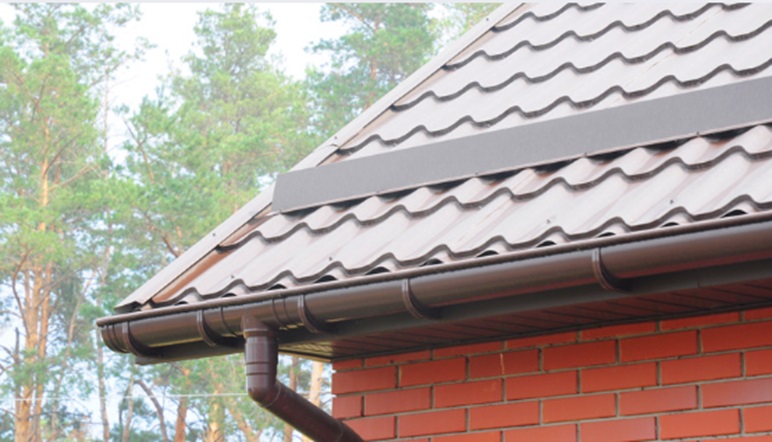
During installation, roof drains, slopes, gutters, and other drainage components should be planned and installed carefully. Good drainage allows rainwater and melting snow to move away from the roof instead of collecting in low areas. This helps reduce the chance of leaks, material damage, and structural concerns.
Protects Interior Assets
A roof does more than protect the building itself. It also helps protect everything inside. Businesses may have expensive equipment, inventory, computers, furniture, and important documents that could be damaged by a roof leak.
A properly installed roofing system provides an important layer of protection against water and weather. By reducing the risk of leaks, businesses can avoid disruptions and protect valuable property.
Supports Energy Efficiency
Roof installation can also affect a building’s energy performance. Proper insulation, appropriate roofing materials, and correct installation can help control indoor temperatures.
A well-installed roof may reduce heat transfer between the interior and exterior of the building. This can make it easier for heating and cooling systems to maintain comfortable indoor conditions and may help businesses manage energy costs.
Choose Experienced Roofing Professionals
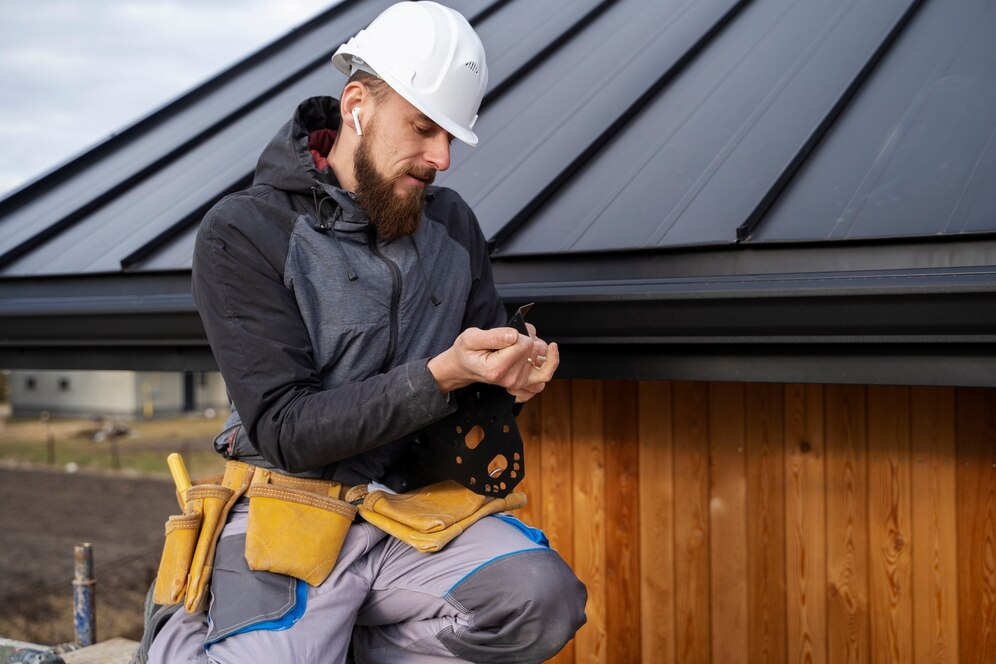
Proper commercial roof installation requires planning, quality materials, skilled workers, and attention to detail. Choosing an experienced commercial & industrial roofing company NJ can help ensure that the system is installed correctly from the beginning.
A professional contractor can evaluate the building, recommend suitable materials, address drainage needs, and follow proper installation practices. After installation, routine inspections and maintenance can help identify small issues before they become expensive problems.
In the long run, proper commercial roof installation is an investment in the safety, performance, and protection of a building. A well-installed roof can help prevent water damage, handle severe weather, protect interior assets, improve energy performance, and provide dependable service for years. For commercial property owners, starting with quality installation is one of the smartest ways to protect their building and their investment.




Comments