 By
By 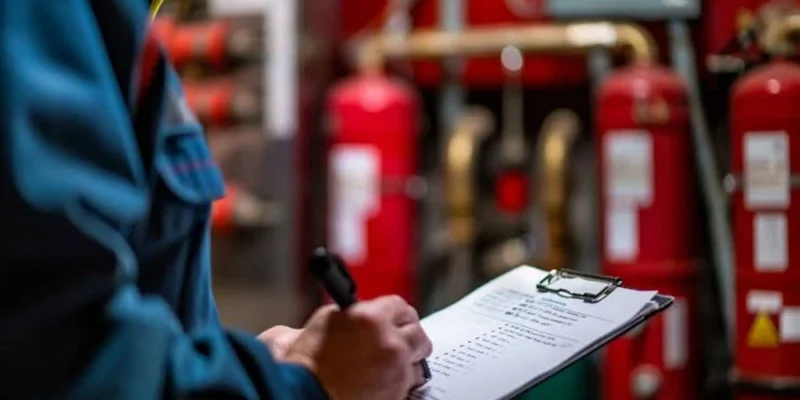
Introduction
Fire safety is essential to keeping a facility running smoothly. However, situations such as fire protection system repairs, construction work, maintenance, or unexpected equipment failures can temporarily affect normal safety arrangements. During these periods, fire watch services can provide additional support. A fire watch company can offer trained personnel who monitor the property, identify hazards, and help maintain safety while regular protection systems or procedures are being restored.
When a facility faces changing safety conditions, having access to reliable temporary support can make it easier to maintain consistent fire monitoring. A fire watch company Wyoming can provide trained personnel who adapt their coverage to the property’s needs, whether monitoring is required during system repairs, construction work, maintenance activities, or unexpected disruptions. This flexibility allows facility managers to address temporary fire risks while keeping essential operations moving safely.
Supporting Temporary Safety Needs
One of the main advantages of fire watch services is their flexibility during temporary changes. A building may need additional fire monitoring for a few hours, several days, or longer, depending on the situation. Having trained personnel available can help facilities maintain a safety presence without making permanent changes to their staffing structure.
Adjusting to Different Facility Conditions
Every facility has different layouts, activities, and fire risks. Fire watch personnel can work in various environments, including commercial buildings, construction areas, industrial properties, and other locations where additional monitoring may be required. Their duties can be adjusted according to the areas that need attention and the specific risks present at the site.
Supporting Construction and Maintenance
Construction and maintenance activities can create temporary fire hazards. Welding, cutting, electrical work, equipment repairs, and the movement of combustible materials may increase the risk of fire. Fire watch personnel can monitor these activities and surrounding areas, helping identify unsafe conditions while work is being completed. Their presence allows essential work to continue while additional attention is given to fire prevention.
Providing Coverage During System Downtime
Fire alarms, sprinklers, and other protection systems may occasionally need to be taken offline for inspection, repairs, or upgrades. This can create a temporary gap in normal fire protection. Fire watch personnel can provide active monitoring during these periods. They can patrol assigned areas, watch for signs of smoke or fire, and report concerns according to established emergency procedures.
Helping Facilities Maintain Operations
Unexpected safety issues can interrupt normal business activities. By providing temporary monitoring, trained personnel can help create a safer environment while repairs or corrective work are underway. This can be especially useful for facilities that need to remain open during maintenance or other temporary disruptions.
Flexible Scheduling
Fire watch requirements can change depending on the facility’s operating schedule and current safety conditions. Coverage may be needed during daytime work, overnight periods, weekends, or other specific times.
Improving Hazard Awareness
Fire watch personnel do more than patrol a property. They can observe conditions that may increase fire risk, such as blocked exits, unsafe storage, exposed wiring, or combustible materials near heat sources. Promptly reporting these issues allows facility managers to address them quickly and reduce the risk of minor problems becoming serious incidents.
Conclusion
A fire watch company can provide valuable operational flexibility when normal fire protection arrangements are temporarily unavailable or when additional monitoring is needed. Flexible coverage, support during construction and repairs, and active hazard monitoring can help facilities maintain safer operations during changing conditions.







Comments