
 By
By 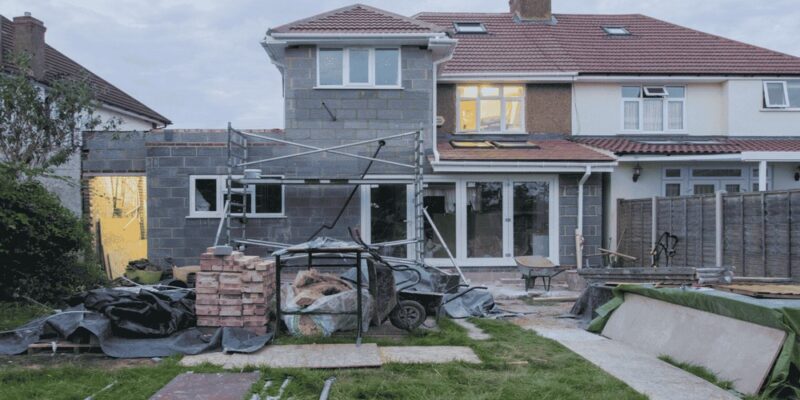
Your home is your biggest investment. Keeping it in good shape doesn’t have to be complicated – but it does require regular attention. Whether you own a house, a rental property, or a commercial building, following a consistent maintenance routine can save you thousands of dollars in repairs and increase your property’s value over time.
This guide covers the most important areas of property maintenance and upgrades, with practical tips you can start using today.
1. Start With a Full Property Assessment
Before spending money on upgrades, take stock of what you have. Walk around your property and look for obvious issues – cracked caulking, peeling paint, sagging gutters, damaged siding, or soft spots on your deck.
Do this every spring and fall. Write down what you find and prioritize repairs by urgency.
If you’re planning a larger renovation – like a kitchen remodel, bathroom update, or home addition – it pays to work with an experienced general contractor from the start. For homeowners in the Gresham, OR area, Mountain Home Construction LLC offers professional remodeling and renovation services that cover everything from small updates to full home transformations.
Quick assessment checklist:
- Check the roof for missing or damaged shingles
- Inspect gutters and downspouts for clogs or damage
- Look for cracks in the foundation or exterior walls
- Test all doors and windows for proper sealing
- Check decks, patios, and walkways for rot or cracks
2. Take Care of Your Roof First
Your roof protects everything inside your home. Yet most homeowners ignore it until a leak appears – and by then, the damage is already done.
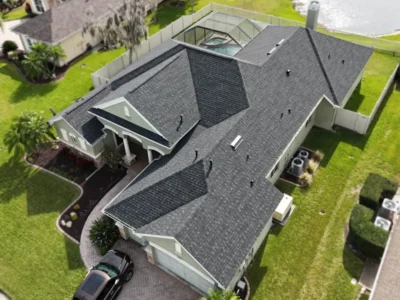
Have your roof inspected at least once a year, and always after a major storm. Look for curling shingles, granules in the gutters, dark staining, or any areas that appear to be sagging.
If you’re in the Wylie, TX area, Vanhook Roofing and Exteriors provides reliable roof inspections, repairs, and full replacements. Their team understands the local weather patterns that put North Texas roofs under extra stress throughout the year.
Signs your roof needs attention:
- Missing or curling shingles
- Granules collecting in gutters
- Water stains on ceilings or walls inside your home
- Visible sagging or soft spots
- Roof is more than 20 years old
A roof replacement is a big expense, but an aging roof that gets replaced proactively – rather than after a major leak – saves money on interior repairs and can even lower your homeowner’s insurance premium.
3. Improve Your Home’s Exterior
Curb appeal matters. The outside of your home is the first thing buyers, guests, and neighbors see – and it directly affects your property’s perceived value.
Some of the best exterior upgrades include:
- Repainting or replacing siding
- Upgrading entry and garage doors
- Installing new gutters
- Power washing driveways and walkways
- Adding outdoor lighting
One upgrade that often gets overlooked is fencing. A quality fence adds privacy, defines your property line, keeps pets and children safe, and gives your yard a clean, finished look.
For homeowners and property owners in the Houston, TX area, Griffin Fence is a trusted local fence installation company. They work with a variety of materials – wood, chain link, ornamental iron – and can guide you through what works best for your property and local HOA requirements.
4. Don’t Neglect Trees and Your Land
The land around your home matters just as much as the structure itself. Overgrown trees, invasive roots, and poor drainage can damage your foundation, block gutters, and create serious safety hazards during storms.
Tree care tips:
- Trim branches that hang over your roof or near power lines
- Have a certified arborist inspect mature trees every few years
- Remove dead or diseased trees before a storm does it for you
- Keep large trees planted at least 15 feet from your foundation
Sometimes properties need more than tree trimming – they need full lot clearing, stump removal, or excavation work for drainage or new construction. This is especially true for rural properties or land being prepared for a build.
In the Batesburg-Leesville, SC area, AJP Services LLC handles tree removal and excavation services for both residential and commercial properties. They bring the right equipment for jobs of any size, from single-tree removal to full site preparation.
5. Know How to Respond to Property Damage
Even well-maintained homes suffer unexpected damage. Water intrusion, fire, and mold are three of the most common – and most destructive – problems a property owner can face.
Water damage can come from burst pipes, roof leaks, appliance failures, or flooding. The key is speed. Mold begins to grow within 24-48 hours of water exposure, so professional drying and remediation must start quickly.
Fire and smoke damage affects more than what burned. Smoke penetrates walls, HVAC systems, and insulation – and continues to cause chemical damage if not properly treated.
Mold often develops in hidden areas – behind drywall, under flooring, or in crawl spaces. It affects air quality and can cause structural damage if left untreated.
For property owners in Colorado, Rocky Mountain Restore offers 24/7 emergency restoration services for water damage, fire damage, and mold removal. Their rapid-response team works to stop further damage and restore your property as efficiently as possible.
What to do immediately after water damage:
- Shut off the water source if possible
- Move valuables and furniture out of wet areas
- Take photos for your insurance claim
- Call a professional restoration company right away
- Do not use electrical appliances in flooded areas
6. Plan Your Renovations Wisely
Not all renovations deliver equal value. If you’re upgrading with resale in mind, focus on projects that buyers care about most.
High-return renovation projects:
- Kitchen updates (new cabinets, countertops, appliances)
- Bathroom remodels or additions
- Finished basement or bonus room
- Deck or patio addition
- Energy-efficient windows or insulation
Whatever project you take on, always get at least three written quotes from licensed contractors. Verify that they carry proper insurance and have local references you can actually call.
Set a realistic budget and add a 15-20% buffer for unexpected costs – they almost always come up in renovation work.
7. Follow a Seasonal Maintenance Routine
Breaking maintenance into seasons makes it manageable and ensures nothing gets forgotten.
Spring:
- Inspect roof after winter
- Clean gutters and downspouts
- Check exterior paint and caulking
- Service air conditioning before hot months
- Inspect fence posts and gate hardware
Summer:
- Seal and treat wooden decks
- Check irrigation systems for leaks
- Inspect attic ventilation
- Power wash exterior surfaces
Fall:
- Clean gutters after leaves fall
- Service heating system
- Seal gaps around doors and windows
- Drain outdoor faucets and irrigation lines
Winter:
- Monitor attic for ice dams
- Insulate exposed pipes
- Check fireplace and chimney
- Review your homeowner’s insurance policy
8. Always Hire Local Professionals
One of the most consistent pieces of advice from experienced property owners: hire local. Local contractors know your regional climate, understand local building codes, and have their reputation on the line within your community.
They’re also easier to hold accountable if something goes wrong. A contractor who lives and works in your area has far more incentive to do quality work than someone who’s never coming back.
Whether it’s a full home remodel, a new roof, a fence installation, land clearing, or emergency restoration – take the time to find a trusted local specialist. It’s one of the best decisions you can make for your property.
Frequently Asked Questions
How often should I have my property professionally inspected?
Every 3-5 years is a good baseline, but you should also schedule an inspection after any major storm, flood, or fire event. Annual roof inspections are recommended in areas with harsh weather.
What home improvements offer the best return on investment?
Minor kitchen remodels, bathroom updates, roof replacement, and deck additions consistently rank highest for resale ROI. Energy efficiency upgrades also offer long-term savings on utility bills.
How do I know if I need a roof repair or full replacement?
If your roof is under 15 years old and the damage is in one area, repairs are usually sufficient. If it’s over 20 years old or more than 25-30% of the shingles are damaged, a full replacement is likely more cost-effective in the long run.
What should I do immediately after water damage?
Stop the water source, move valuables to dry areas, photograph everything for your insurance claim, and call a professional restoration company within 24 hours. Do not use electrical appliances in wet areas.
Is fencing worth installing on a rental property?
Yes. A fence increases rental appeal, allows you to charge higher rent (especially for tenants with pets or children), defines property lines clearly, and improves security. It’s a low-maintenance upgrade with long-term value.
When do I need excavation or lot clearing services?
You’ll need these services before new construction, when installing underground drainage, when dealing with root intrusion near your foundation, or when clearing overgrown land. Always hire a licensed professional, especially near structures or utility lines.
How do I find a trustworthy local contractor?
Ask neighbors for referrals, check Google reviews and the Better Business Bureau, verify licensing and insurance, and call references from recent local projects. Get at least three written estimates and never pay more than 10-20% upfront.
How do I prepare my property for extreme weather?
Inspect and clean gutters before storm seasons, trim branches near your roof, seal gaps around windows and doors, and make sure your roof is in good condition. In cold climates, insulate pipes and ensure your attic is properly ventilated to prevent ice dams.
Final Thoughts
Maintaining and upgrading your property doesn’t require a massive budget – it requires consistency, planning, and the right local partners. Stay proactive with seasonal maintenance, address small issues before they grow, and invest in upgrades that deliver real value.
Your home works hard for you every day. Give it the care it deserves, and it will continue to protect and grow your investment for years to come.








Comments