
 By
By 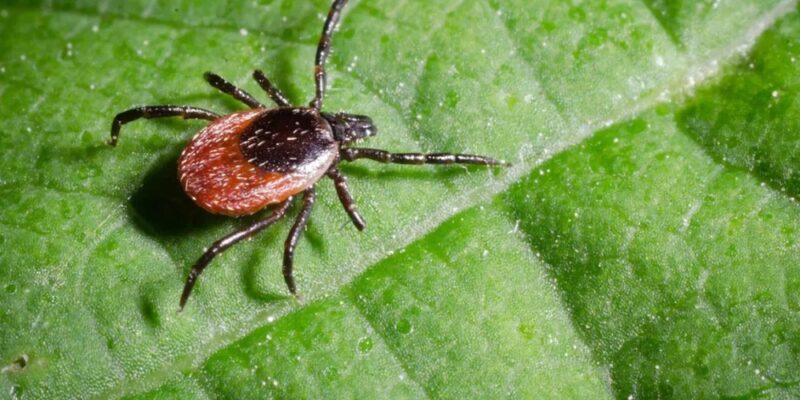
Burke is known for its quiet neighborhoods and mature trees. But this natural environment can also support different types of pests. Sadly, some of these unwanted guests can carry health risks. That is why homeowners should be aware of the type of pests that deserve their attention. This way, they can get information from places like Greenpestservices.net to know the steps they can take to keep their living spaces pest-free. Also, the website can provide expert technicians who can handle different types of infestations. Below are pests that can carry harmful diseases and pathogens and make people sick in Burke:
Mosquitoes
Fairfax County is located within the range of several mosquito species that can transmit serious diseases. Large mosquito populations thrive in the area because of wooded areas, standing water, and warm summers. The health risks associated with mosquitoes in this region include:
- West Nile Virus. Most people who contract this virus experience mild flu-like symptoms. However, a small percentage develop severe neurological complications that can be life-threatening.
- Eastern Equine Encephalitis (EEE). This is a rare but extremely serious viral disease that causes inflammation of the brain and carries a high fatality rate among those who develop severe symptoms.
- La Crosse Encephalitis. This is transmitted by the eastern treehole mosquito, which is common in wooded suburban areas like Burke and disproportionately affects children under 16.
Ticks
Burke’s wooded parks and green corridors are beautiful, but they also harbor a dense tick population. Fairfax County is within the established range of the blacklegged tick (deer tick), the American dog tick, and the lone star tick, which can transmit disease to humans. The health concerns tied to ticks in this area are serious and worth knowing in detail:
- Lyme disease. This is transmitted by the blacklegged tick. Its early symptoms include a bullseye rash, fever, and fatigue. However, untreated Lyme disease can cause long-term joint, neurological, and cardiac complications.
- Rocky Mountain Spotted Fever. The American dog tick is responsible for the transmission of this disease. The fever progresses rapidly and requires prompt antibiotic treatment to prevent severe outcomes.
- Ehrlichiosis and anaplasmosis are bacterial infections. These are spread by blacklegged and lone star ticks. They can cause fever, headache, and muscle aches. They can become severe without timely treatment.
- Alpha-gal syndrome. This is triggered by lone star tick bites. They can cause an allergic reaction to red meat and dairy that can persist for years.
Rodents
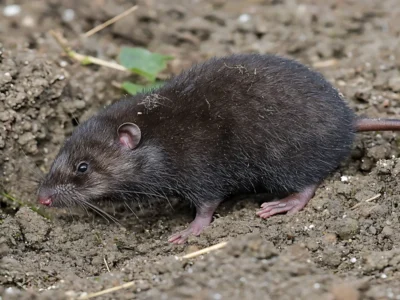
Mice and rats are year-round residents in Burke neighborhoods, and their health implications extend beyond the discomfort of sharing your home with them. Rodents contaminate food, surfaces, and air quality through their waste. The diseases they carry are transmitted without any direct contact.
- Hantavirus. This is spread through contact with rodent urine, droppings, or nesting material. Even disturbing dried mouse droppings while cleaning can release viral particles into the air. Hantavirus Pulmonary Syndrome is a serious and potentially fatal condition.
- Leptospirosis. This bacterial infection can spread through rodent urine that can contaminate water and soil. Its symptoms range from mild flu-like illness to severe kidney and liver damage in more serious cases.
- Salmonellosis. This occurs when rodents contaminate food preparation surfaces or stored food with their droppings, leading to food poisoning.
- Rat-bite fever. This can be transmitted through a bite or scratch from an infected rodent or through consumption of food contaminated by rodent waste.
Cockroaches
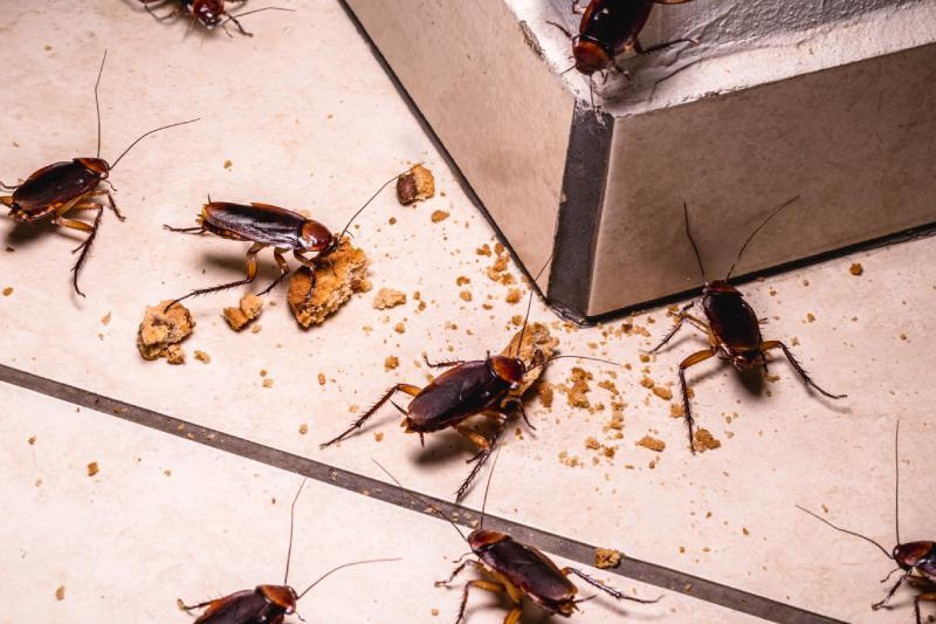
German cockroaches and American cockroaches carry health risks. These insects travel through sewers and decaying matter before crossing your countertops and food surfaces. The pathogens they transport include Salmonella, E. coli, and the bacteria responsible for dysentery and gastroenteritis. Also, cockroach allergens can trigger asthma attacks and chronic respiratory irritation.







Comments