
 By
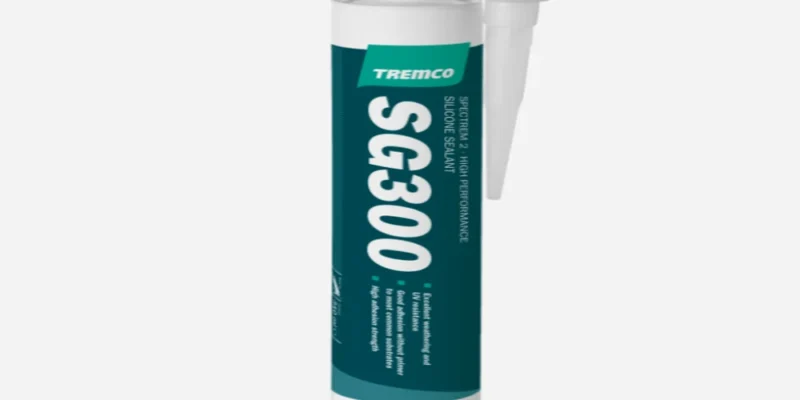
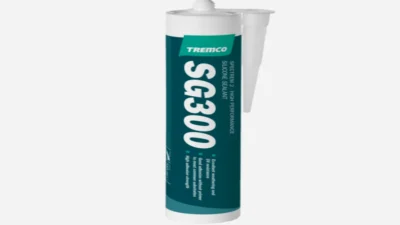
Glazing sealant is a specialised sealing material used at glass, frame and façade interfaces to help create continuous joints while accommodating the environmental and movement conditions of the building envelope. Depending on the specific product and system, it may be used for weather sealing, glazing joints or other defined façade applications.
Modern façades combine materials such as glass, aluminium, coated metals and other building components. These materials can respond differently to temperature, moisture and structural movement, making joint design and sealant selection important parts of façade construction.
In Singapore, exterior façade systems are regularly exposed to rainfall, humidity, ultraviolet radiation and temperature changes. A glazing sealant should therefore be selected according to its documented application, substrate compatibility, movement capability and environmental resistance rather than assuming that every silicone or construction sealant is suitable for glass and façade work.
What Is a Glazing Sealant?
A glazing sealant is a material formulated for specified joints associated with glass, glazing frames and related façade components. Its purpose can include sealing interfaces against weather exposure while maintaining adhesion as adjacent building materials experience normal movement.
Glazing sealants are commonly associated with silicone-based formulations, although product characteristics differ according to their intended application. Some are designed primarily for weather sealing, while specialised products may be intended for particular structural glazing systems.
The term “glazing sealant” therefore describes an application category rather than a single universal product.
Product selection should be based on the specific glazing assembly. The type of glass, frame material, joint dimensions, expected movement and exposure conditions all influence the characteristics required from the sealant.
The Role of Sealants in Façade Systems
Façade sealants help maintain continuity at joints between exterior building components. These joints occur because façade systems are assembled from multiple panels, frames, glazing units and other materials rather than being constructed as a single continuous surface.
The interfaces between components need to accommodate construction tolerances and, in many cases, movement during the service life of the building. Sealants can close these joints while retaining the flexibility required for the intended application.
In exterior façades, the sealing function may include limiting uncontrolled water and air penetration at specified interfaces. This helps the building envelope perform as intended when exposed to weather.
The sealant is only one component of the façade joint. Joint dimensions, substrate preparation, backing materials and surrounding construction also affect the performance of the completed application.
Façade sealing should consequently be planned as a joint system rather than simply applying sealant to visible gaps.
Understanding Structural Glazing
Structural glazing is a specialised façade approach in which glass is incorporated into a system that uses specifically designed structural silicone or other engineered components to perform defined functions within the glazing assembly. It differs from general weather sealing.
A structural glazing sealant is not interchangeable with an ordinary silicone sealant. Products intended for structural applications need to meet the technical requirements of the specific glazing system.
Design considerations can include glass dimensions, joint geometry, loads, substrates and the compatibility of materials within the assembly. These factors require project-specific assessment.
Weather seals may also be present within structural glazing systems, but their role should be distinguished from that of structural bonding components.
Because of these requirements, structural glazing products should be selected and applied according to the relevant system design, technical documentation and project specifications.
Common Façade and Glass Sealing Applications
Glazing sealants can be used at various interfaces where glass and façade components require suitable sealing. The exact applications depend on the product formulation and building system.
Typical applications may include:
- Perimeter joints around glazing units
- Interfaces between glass and compatible frame materials
- Selected curtain wall and façade joints
- Weather seals between compatible façade components
- Certain joints around windows and external glazing systems
Each application can create different requirements for movement, adhesion and environmental exposure.
A perimeter window joint, for example, can differ substantially from a joint within a curtain wall system. The fact that both involve glass does not mean the same sealant or joint design is automatically appropriate.
Technical product information should therefore be checked against the specific façade or glazing application.
Why Weather Sealing Matters
Weather sealing helps control the passage of environmental elements through designated joints in the building envelope. For exterior glazing, water penetration is one of the primary considerations.
Singapore experiences frequent rainfall and high humidity, making effective treatment of exposed façade interfaces particularly relevant. Wind-driven rain can place additional demands on external joints depending on the building and location.
A weather seal needs to maintain suitable contact with the joint substrates as environmental conditions change. It should also be appropriate for prolonged exterior exposure where required.
Weather resistance is not determined by sealant alone. The design and condition of the joint, drainage strategy and surrounding façade components also contribute to the performance of the building envelope.
A suitable sealant therefore supports the weather-sealing strategy but should not be expected to correct deficiencies elsewhere in the façade design.
UV Resistance in Exterior Glazing
UV resistance refers to a material’s ability to maintain its intended properties when exposed to ultraviolet radiation from sunlight. It is particularly relevant for sealants that remain exposed on building façades.
Exterior glazing joints can receive substantial sunlight throughout their service life. Prolonged UV exposure can affect materials that are not formulated for such conditions.
Appropriate glazing sealants for exposed applications should therefore have characteristics suited to the environmental conditions expected at the joint.
The orientation of the façade can also affect exposure. Different elevations of the same building may experience varying levels of sunlight, rainfall and temperature change.
UV resistance should be considered alongside other requirements such as adhesion, movement capability and weather resistance. A product should meet the complete application requirements rather than being selected based on one environmental property alone.
How Movement Affects Glazing Joints
Glazing joints can change dimensions because glass, frames and surrounding façade materials respond to temperature, wind, structural behaviour and other conditions. Sealant used in these joints needs movement characteristics appropriate for the designed application.
Different materials can expand and contract at different rates. Where glass meets aluminium or another façade material, these differences can create repeated movement within the joint.
Movement capability describes how a sealant can accommodate dimensional changes while maintaining its intended sealing function within specified conditions.
Joint width and depth influence this behaviour. A product with suitable movement characteristics can still perform poorly if the joint geometry does not correspond with the intended application.
Façade designers and installers should therefore consider the relationship between expected movement, sealant properties and joint design rather than treating flexibility as an isolated product feature.
Understanding Joint Design and Geometry
Joint design establishes the dimensions and configuration within which a glazing sealant will operate. Width, depth and the surfaces to which the material bonds can all influence performance.
A joint that is too narrow for the expected movement may place excessive strain on the sealant. An inappropriate depth can similarly affect how the material responds when the surrounding components move.
Backing materials may be used in certain applications to control sealant depth and support the intended joint profile. Their suitability depends on the specified sealing system.
Good joint planning therefore begins before sealant application.
Important considerations can include:
- Joint Width: It should correspond with expected movement and product requirements.
- Sealant Depth: The applied depth should follow the intended joint design.
- Bonding Surfaces: The sealant should adhere to the appropriate joint faces.
- Backing Material: Where required, it should be compatible with the sealant system.
- Movement Conditions: The geometry should support the movement expected during service.
The applicable technical guidance should determine the final joint configuration.
Substrate Compatibility in Glazing Applications
Substrate compatibility determines whether a sealant can form and maintain appropriate adhesion to the surfaces within a glazing joint. Glass is only one of the materials that needs to be considered.
Glazing systems can include aluminium, coated metal, painted surfaces, gaskets and other façade components. A sealant may interact differently with each material.
Coatings are particularly important because adhesion occurs at the actual surface rather than the underlying base material. A product described as compatible with aluminium, for example, should not automatically be assumed suitable for every coated aluminium finish.
Compatibility assessment may include reviewing manufacturer information, project specifications and any recommended adhesion or compatibility testing.
Adjacent materials should also be considered where there is potential for interaction with the sealant.
Product selection should therefore reflect the complete material combination present within the joint.
Why Surface Preparation Is Important
Surface preparation creates suitable conditions for sealant adhesion by addressing contamination or other conditions that can interfere with the bond. Even a correctly selected glazing sealant requires appropriate application surfaces.
Glass and frame materials can contain dust, oils, processing residues or other contaminants. These materials can reduce effective contact between the sealant and substrate.
Preparation procedures depend on the specific surfaces and product. Cleaning materials and methods should therefore follow applicable technical guidance rather than being selected arbitrarily.
Some substrates may also require primers where specified. A primer should not be assumed necessary or unnecessary without checking the requirements for the actual substrate and sealant combination.
Prepared surfaces should be protected from renewed contamination before application so that the conditions established during preparation are maintained.
Weather Sealant Versus Structural Glazing Sealant
Weather sealants and structural glazing sealants perform different functions within façade systems. Understanding the distinction is important when selecting materials.
A weather seal is primarily intended to seal joints against environmental exposure while accommodating appropriate movement. Structural glazing products are designed for specified structural functions within engineered glazing systems.
The differences can be summarised as follows:
| Consideration | Weather-Sealing Application | Structural Glazing Application |
| Primary role | Sealing façade joints | Defined role within structural glazing |
| Typical focus | Weather resistance and movement | Engineered glazing performance |
| Product selection | Based on joint and exposure | Based on specific structural system |
| Design requirements | Joint-specific | System and project-specific |
| Interchangeability | Not automatically interchangeable | Requires appropriate specification |
A sealant should not be moved from one application category to another simply because its appearance or base chemistry is similar.
The technical requirements of the glazing system should determine which product is used.
Selecting the Appropriate Glazing Sealant
An appropriate glazing sealant is one whose documented properties correspond with the substrates, joint design, movement and environmental exposure of the application. Selection should begin with the façade system rather than a preferred sealant type.
Project teams should first identify the purpose of the joint. Weather sealing, perimeter sealing and structural glazing can require different materials and design considerations.
Selection should then consider:
- Glass and frame materials
- Coatings and adjacent substrates
- Interior or exterior exposure
- Expected joint movement
- UV and weather exposure
- Joint dimensions and configuration
These requirements can be compared with technical product information to identify suitable options.
Where a glazing system has specialised engineering requirements, product selection should follow the relevant project design and technical specifications.
Frequently Asked Questions (FAQs)
What is glazing sealant used for?
Glazing sealant is used in specified joints involving glass, frames and façade components. Depending on the product, it can provide weather sealing, accommodate movement or perform another defined function within a glazing system.
Is glazing sealant the same as ordinary silicone sealant?
Not necessarily. Some glazing sealants are silicone-based, but products have different formulations and intended applications. General-purpose silicone should not automatically be substituted for a product specified for glazing or façade use.
Why is movement capability important for façade joints?
Glass, frames and façade materials can expand, contract or move under environmental and structural conditions. Suitable movement capability helps the sealant accommodate these dimensional changes within its designed joint configuration.
Does glazing sealant need UV resistance?
UV resistance is important where the sealant will remain exposed to sunlight. Exterior façade products should be selected according to the environmental conditions expected throughout their intended service.
Can weather sealant be used for structural glazing?
A weather-sealing product should not automatically be used for structural glazing. Structural glazing requires specifically appropriate materials selected according to the engineered system and relevant technical requirements.
Supporting Long-Term Façade Joint Performance
Glazing sealants help maintain functional interfaces between glass, frames and other façade components when they are correctly matched to the application. Weather exposure, ultraviolet radiation, joint movement, substrate compatibility and joint geometry all influence product selection.
A durable façade application therefore depends on more than choosing a sealant labelled for exterior use. The glazing system, substrates and technical requirements should be evaluated together so that the selected material performs the intended sealing or glazing function under the conditions expected at the building.
Review Sealant Options for Façade and Glazing Work
Façade sealing requirements vary according to glass type, substrates, joint design, movement and environmental exposure. Eastern Win Enterprises provides sealant products for different façade and construction applications. Project teams assessing glazing sealant for a specific application can contact Eastern Win Enterprises to discuss their requirements.







Comments