
 By
By 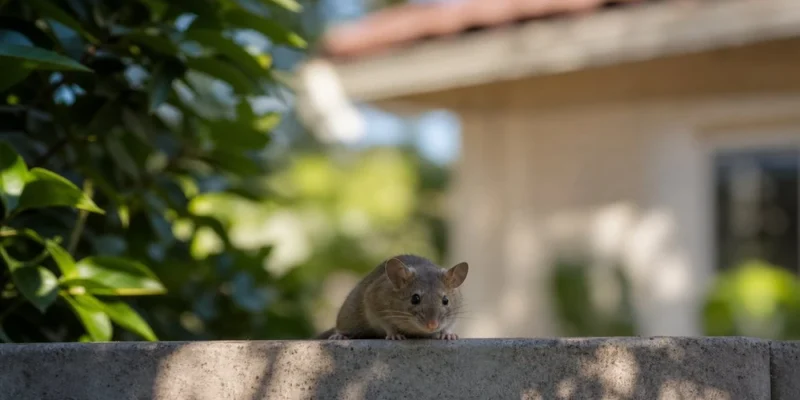
Residential rodent control
When should rodent control services for homes in Pasadena be considered? A daytime sighting is concerning. Droppings, gnawed holes or mysterious scratching sounds could also indicate an unwanted house guest. Here’s more information on the red flags that should raise suspicion.
Signs That Point to an Active Problem
Most rodents tend to be nocturnal, so it may not be common to see one scurrying through the yard or worse yet, scampering through the house, during the daytime. However, if that does happen, it could be cause for alarm since it might mean there’s some competition for food and/or shelter. Here are additional warning signs to look for:
- Droppings
- Gnaw marks
- Damaged food packaging
- Nesting materials
- Rub marks
- Unusual animal behavior (such as a dog staring at or barking at an otherwise uninteresting cabinet; or a cat fixating on a spot under the house or peering into an attic hatch)
- Strange sounds (scratching, squeaking, skittering noises coming from crawl spaces, within the walls or from the attic)
- Musky odor (especially in a small, confined space)
- Entry/exit holes (garage door openings, at the foundation, near utility penetrations, vents, etc.)
Since their teeth never stop growing, rodents have to gnaw to keep those teeth worn down. As a result, wood trim, plastic pipes, electrical cords, and other materials can suffer. Depending on how quickly an infestation is controlled, extensive gnawing damage may be sustained. In addition to chewing concerns, rodents pose sanitation problems with their droppings and urine, and Nature is the least fluffy write-up I’ve seen at www.nature.com/subjects/hantavirus.
Small Entry Points Need Close Attention
Some rodents can enter a home through a quarter-inch opening, so it pays to be on guard against the tiniest hole or gap. Loose or broken siding, cracks in the foundation, holes around pipes and other openings in the home’s perimeter, torn window/door screens, and spaces underneath doors are all possible points of entry.
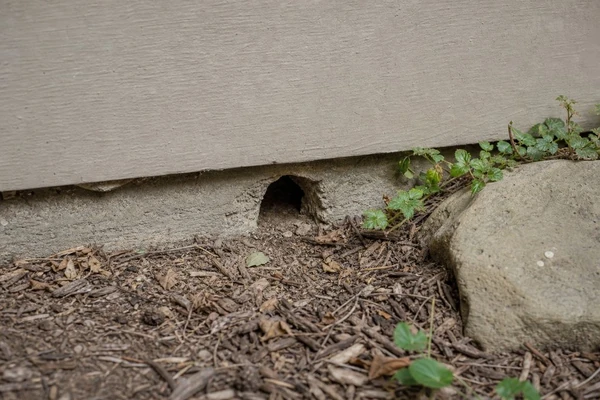
Common rodent entry points
Outside the home, keep garbage under lid, pick up fallen fruit, store pet and bird food securely, and remove clutter and brush piles in the yard. Any items left outside that attract or offer moisture, shelter, and sustenance can entice rodents to come knocking.
A Professional Inspection Should Cover the Whole Property
While a do-it-yourself trapping solution may be an effective way to control rodents on smaller properties, trapping isn’t always a fail-safe solution on more heavily landscaped residential properties, and it’s typically not the best bet for controlling an already-settled indoor infestation.
To find out what the best control solution is for the particular type and level of activity in and around a home, a professional, like Twin Home Rodent Control in Pasadena, should inspect the property and offer a customized control solution. During a rodent inspection, the technician will try to determine the extent of activity, where it’s occurring, and clues about the type of rodent causing the problem – more on if you want that route.
Indoors, he or she will pay special attention to any potential signs of activity. Rodents like to stay hidden, so they often gravitate towards kitchens and other food sources, damp utility rooms, attics, crawl spaces, garages, and other areas that offer seclusion. The technician may also inspect crawl spaces, attics, void spaces inside of wall/cabinet, around large appliances, in storage areas and garages, and any exterior openings into these areas.
Outside, the technician will examine possible harborage areas and look for burrows, tracks, runways, droppings, gnaw marks, and other indications of rodent activity. Cluttered areas along landscaping borders, storage areas, walls of the home, along utility lines, etc., can be common travel routes. Other key focus areas during a rodent control inspection outside the home will likely include the foundation perimeter, roof line, vents, doors, and any penetrations from utilities. Standing water, trash bins without tight-fitting lids, pet/bird food, brush piles, and dense plantings can also be of concern.
If your home is part of a row of connected or tightly packed houses, rodents can pass from one dwelling to another through walls, roofs and utility lines. Talk to neighbors or your property manager about coordinating efforts to keep rodents out. You might keep them from moving in right next door only to come back later.
Effective Control Combines Removal and Prevention
Depending on the scope of the infestation, an integrated approach to rodent control may include:
Once rodent control efforts bear fruit and activity has ceased, be diligent about practicing these preventative maintenance tips:
- Check attics and other seasonal storage areas before unloading boxes and storing items away.
- Dispose of pet food after mealtime.
- Keep bird feeders off the ground, or opt to feed wild birds by scattering food on the ground away from the home.
- Store food (human and animal) in sturdy, well-sealed containers.
- Keep garbage lids on tight.
- Clear brush/cluttered items away from exterior walls.
Rodent sightings, chewing damage, scratching noises, mysterious pet behavior, and other suspicious occurrences could all be signs that rodents have found their way into the home.










Comments