
 By
By 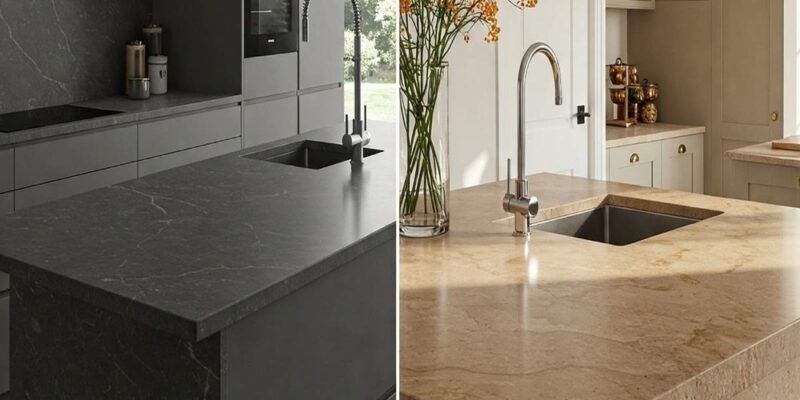
A spotless kitchen may look clean, but its hygiene is only as good as the surface beneath your fingertips. While countertop trends come and go, the quest for a truly hygienic material has never faded. Natural stone countertops, once seen as a luxury, are now recognized for offering a level of cleanliness few materials can rival. What gives stone its edge in the battle against bacteria and stains?
The Origins of Countertop Materials: From Wood to Stone
Early Kitchen Surfaces and Hygiene Challenges
Imagine kitchens of the past, where wood, worn tile, or even basic stone slabs served as the workhorse of meal prep. Wood, in particular, harbored moisture and microbes deep within its fibers. Porous and prone to wear, these surfaces made it tough to keep germs at bay, especially in the days before antimicrobial cleaners.
The Rise of Synthetic Materials and Their Limitations
The mid-20th century brought laminates and plastics, promising affordability and easy cleaning. However, over time, the seams between laminate layers and the porosity of some synthetic materials posed hidden hygiene risks. Chips and scratches gave bacteria new hiding places, undermining the once-heralded benefits.
The Advent of Natural Stone Countertops
Historical Use of Natural Stone in Homes
For centuries, natural stone has been prized in architecture and design, but its kitchen debut marked a turning point. Homes began to feature granite, marble, and quartzite not just for their beauty, but for their endurance. Kitchens became more than just a place to cook; they became the heart of the home, deserving surfaces that lasted and stayed clean.
Key Properties That Set Natural Stone Apart
Unlike earlier materials, natural stone brings together density, strength, and an inherently sleek finish. This combination not only delivers visual appeal, but also serves a practical purpose: creating a surface where contaminants struggle to take hold.
Understanding Hygiene: What Makes a Surface Clean?
Defining Hygiene in Kitchen and Bathroom Contexts
Cleanliness isn’t just about what meets the eye. A truly hygienic countertop resists harboring bacteria, viruses, and food-borne pathogens, protecting families from invisible threats.
Common Contaminants and Their Impact on Health
From raw chicken juices to spilled milk, kitchen surfaces face daily attacks by substances rich in bacteria. If those germs find their way into tiny crevices or pores, cross-contamination can quickly follow, raising the risk of illness.
Natural Stone’s Superior Hygiene Features
Non-Porous Nature and Resistance to Bacteria
Premium natural stones, especially when expertly sealed, are virtually non-porous. This means there are fewer nooks and crannies for bacteria to hide or multiply, making routine cleaning more effective and reducing the risk of contamination after meals.
Stain and Scratch Resistance Enhancing Cleanability
Durability isn’t just about lasting longer; it’s about maintaining a pristine, easy-to-clean surface. Natural stone’s inherent hardness resists scratches, which can otherwise become havens for germs to thrive.
How Natural Stone Prevents Cross-Contamination
A sealed stone surface creates a powerful barrier. Spills and food residue can be wiped away before microbes have a chance to settle in, making kitchens safer for everything from meal prep to family gatherings.
Comparing Natural Stone to Other Popular Countertop Materials
| Material | Porosity | Scratch Resistance | Stain Resistance | Hygiene Risk |
|————–|———-|——————-|——————|————–|
| Natural Stone| Low (when sealed) | High | High | Low |
| Laminate | Moderate | Low | Low | Moderate |
| Solid Surface| Moderate | Moderate | Moderate | Moderate |
| Quartz (Engineered) | Very Low | High | High | Low |
Laminate and Its Vulnerabilities
Laminate may seem easy to clean, but any damage can introduce spaces for bacteria to linger. The seams and joints, in particular, are troublesome.
Solid Surfaces and Porosity Issues
Solid surfaces like Corian offer seamless looks, yet their microscopic pores can still trap moisture over time, especially if cleaning is inconsistent.
Quartz and Engineered Stone: Pros and Cons
Engineered quartz counters rival natural stone for hygiene thanks to their low porosity, but some products include resins that may stain with harsh chemicals or heat.
Technological Advances Enhancing Natural Stone Hygiene
Modern Sealing Techniques and Treatments
Today’s sealants bond at the molecular level, making stone surfaces even more impervious to bacteria and stains. These treatments can last years, combining low maintenance with peace of mind.
Innovations in Stone Fabrication for Better Durability
Precision cutting and finishing reduce seams and potential problem spots. Professional installation ensures every edge and joint meets the strictest hygiene standards.
Real-World Applications and Maintenance Best Practices
Professional Installation’s Role in Hygiene
A skilled installer not only fits the slab perfectly but also applies the correct sealant, closing off possible entry points for contaminants.
Routine Cleaning Tips to Preserve Stone’s Integrity
Gentle, pH-neutral cleaners and soft cloths are usually all it takes to keep stone surfaces sparkling. Avoiding harsh abrasives preserves both cleanliness and shine.
When to Re-seal and How to Identify Wear
If water no longer beads on the surface or stains set in more easily, it’s time for a fresh sealant application, an easy fix that ensures long-term hygiene.
The Future of Countertop Hygiene: Trends and Predictions
Growing Consumer Demand for Natural and Sustainable Materials
Homeowners are seeking not just beauty, but materials that support a cleaner, greener lifestyle. Natural stone, responsibly sourced, answers both needs.
Potential Developments in Stone Treatment Technologies
Expect smarter, longer-lasting sealants and anti-microbial treatments to become the new standard, making safe kitchens even safer.
How Natural Stone Countertops Will Continue to Evolve
With advances in both material science and installation, the hygienic superiority of stone will only become more pronounced. For those seeking a blend of enduring beauty and peace of mind, natural stone countertops from Quartz Blanc stand out as a compelling choice for the kitchens and bathrooms of tomorrow.










Comments