
 By
By 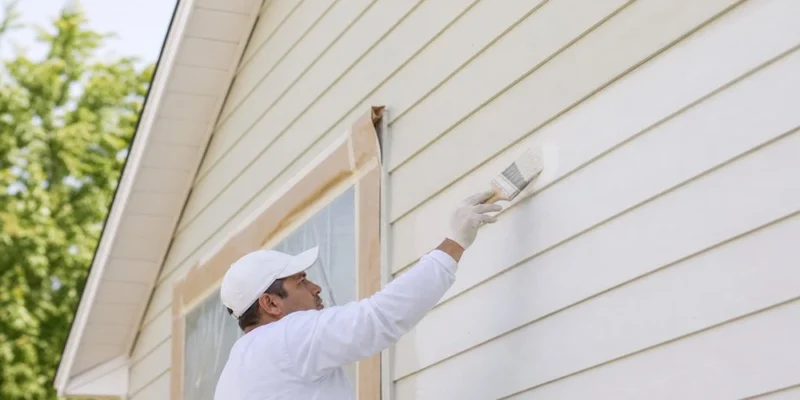
A new layer of paint can transform a house without the need for extensive renovation. You can bring life back to a darkened room, restore life to tired-looking moldings, or refresh the outside of your house with a crisp, modern hue. But when it comes time to choose a contractor, you’re looking for more than just a color change. The results should stand up to heavy traffic, exposure to the elements, and careful observation.
Before anyone picks up a brush, you want to know how to vet candidates and know what you can expect from their work. The process starts with understanding what you’re looking for. Here’s how to select a Portland painting contractor for long-lasting results.
What a Detailed Estimate Reveals
A low quote might seem like a no-brainer, but it won’t tell you the whole story. Two estimates could appear nearly identical, yet cover a vastly different level of preparation, materials, repair work, and cleanup.
Inquire about the details. A good estimate should include a list of the interior rooms and exterior surfaces, the number of coats, the quality of paint, and whether supplies like primer, caulk, spackle, drop cloths, and masking tape are included.
Does the estimate also address the following?
- Washing and sanding surfaces
- Scraping off flaking paint
- Repairing drywall, wood, and trim
- Choosing a primer for bare spots or heavily stained areas
- Protecting floors, shrubbery, and furniture
- Cleanup and disposal of waste products
- Expected completion date
A painter who can break down the specifics is much easier to vet than a painter who provides an overall quote and an estimated finish date.
Why Prep Work Decides the Finish
Paint adheres best to a clean, dry, solid foundation – the Times has a clear page on this at nytimes.com/wirecutter. Leaving behind old, cracked paint, dirt, grease, water, or failing caulk will result in premature paint failure, even if you use the finest paint available.
That’s why prep is half the battle.
On the inside, this may mean filling small holes, smoothing patches, scrubbing kitchen walls, and treating stained walls before the topcoat goes on. Outside, it could mean removing old, loose paint, sanding down bumpy surfaces, replacing rotted wood, caulking cracks, and allowing cleaned surfaces to dry completely.
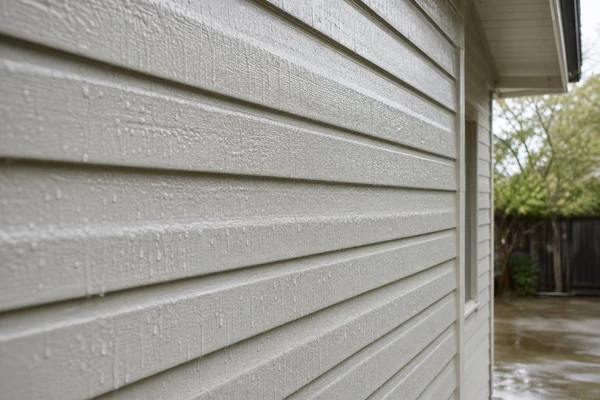
Drying time is a limitation. If you power wash an exterior, for example, a crew may have to wait a day or two before starting the job, depending on the humidity, sunlight, and substrate. Attempting to rush this step can lead to moisture trapped under the paint.
What to Ask About the Process
A painting job can disrupt daily activities, particularly indoors. Make sure you know who will be working in your home, when they’ll be there, how they’ll get in, and where they’ll keep their stuff. It’s also fine to ask how they’ll handle your belongings and the dust. Will you need to move furniture away from the walls, tape outlets and fixtures, use the right drop cloth on the floor?
What about plants, walkways, cars, and neighbors if it’s an outside job? If things don’t go as planned, how will you communicate? Water damage, rotten trim, heavy cracks, and previous failed coatings can change the scope of work. A professional should stop, explain what’s wrong, and offer options before proceeding with additional work. Renew-It Refinishing can help assess these kinds of surface issues and determine the best approach before the project moves forward.
What if the wall isn’t as good as it seemed during the walkthrough?
Matching Materials to Each Surface
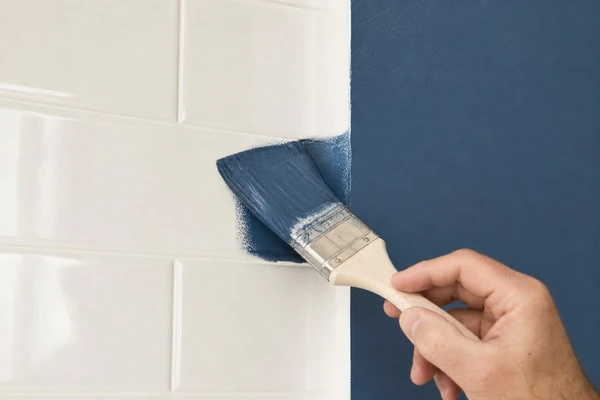
Not all paints are suited for all surfaces. The bathroom and kitchen likely need something that withstands moisture and lots of scrubbing, and the ceiling might do best with a low-sheen product that reduces glare. Siding, doors, decks, masonry and metal all require different types of coatings. A good painter should assist you in choosing a coating appropriate for each surface, rather than simply suggest using one paint for everything.
They should also discuss the type of sheen, since the gloss affects both the look and the cleanability of a coat. A higher sheen may be easier to clean, but it will accentuate any dents, bumps and spackle marks. A flat or matte finish might be more forgiving of small wall flaws, but won’t necessarily stand up to heavy use. Try out samples in both the day and night to avoid surprises later.
Don’t assume all contractors are properly licensed and insured. Ask to see each one’s current license, and verify that they have both general liability insurance and workers’ compensation insurance. Also ask if the people doing the work are employees, and how many will be subcontractors. The goal is to avoid any confusion about who is responsible if there’s an injury on the job, or a spill, broken window, or other damage to the home or landscape.
You may also want to ask if your contractor follows “lead-safe” work practices, since homes built before 1978 may contain lead-based paint. If lead is present, sanding or scraping must be done with proper containment, clean-up and measures to prevent lead dust from circulating in the house or backyard.
Don’t ask how long it takes to be dry to the touch. Ask how long the coating needs to cure.
Some fresh paint may need several days before it’s safe to wash, replace hardware, push furniture back against the wall, or let a freshly painted exterior wall get hammered by driving rain.
Review Everything Before Sign-Off
A written proposal should convert your discussions into a blueprint. Review payment schedules, the time frame for starting, projected finish date, procedures for changes and any warranties. Make sure you aren’t being asked to pay everything upfront before any work or supplies have been delivered. Examine the finished job in bright light before you sign off. Look closely along trim lines, around windows, near the ceiling, and over repaired areas. Ensure there aren’t missed spots, runs, inconsistent coverage, rough patches, paint on doors or flooring.
Before the Final Approval
A good paint job is more than just picking a nice color. It is the prep, the products, the communication and a final look-over that is not rushed. Make a written list of anything that needs attention while you’re doing your final check, and ask for some of the leftover paint (clearly labeled) to be left on-site for touch-ups.





Comments