
 By
UK flood risk peaks between October and March, when sustained rainfall, saturated ground, and overloaded surface drainage systems combine to produce conditions that overwhelm properties without any preparation in place. The difference between a property that sustains significant flood damage and one that manages a flood event with minimal impact is rarely about luck: it is almost always about whether the right equipment was in place and ready to deploy before the water arrived.
A pump ordered during a flood event may take days to arrive. A sump pump that has not been tested since last winter may not start when it is needed. This guide covers the pumps and systems that provide the most effective flood protection for UK properties, and what to have in place before the winter risk season begins.
Understanding Your Flood Risk Source
Effective pump selection starts with understanding where the flood risk to a specific property actually comes from, as different sources demand different pumping solutions. Surface water flooding, where heavy rainfall overwhelms drains and runs off impermeable surfaces, arrives quickly and recedes relatively quickly once the rain stops. River and watercourse flooding takes longer to develop but can sustain water levels for days. Groundwater flooding, where rising water tables push water up through floors and walls, is the slowest to develop and the slowest to recede, and requires a permanent pumping solution rather than a deployable emergency response.
Properties at risk from more than one source need to consider both a permanent automatic sump system for groundwater management and a deployable emergency pump for surface water or river flood events, as no single pump type addresses all three scenarios equally well.
Permanent Sump Pump Systems for Basement and Cellar Protection
For properties with basements, cellars, or below-ground rooms that experience recurring water ingress, a permanently installed submersible sump pump with an automatic float switch is the most reliable form of protection available. The pump sits in a recessed sump pit at the lowest point of the floor, activates automatically when water reaches a trigger level, and clears the sump without any human intervention. This means the property is protected even when no one is present, which matters most during the night time and early morning hours when flooding most commonly occurs.
The pump must be rated for dirty water rather than clean water, as basement flooding typically carries silt and sediment that would rapidly damage a standard clean water pump. A non-return valve on the discharge side prevents water flowing back into the sump when the pump stops, and a battery backup ensures the system continues to operate during the power outages that commonly accompany storm events. A comprehensive range of flood defence pumps covers automatic sump pump options for permanent basement and cellar installations across a range of flow rates and solids handling ratings.
Portable Emergency Flood Pumps for Active Response
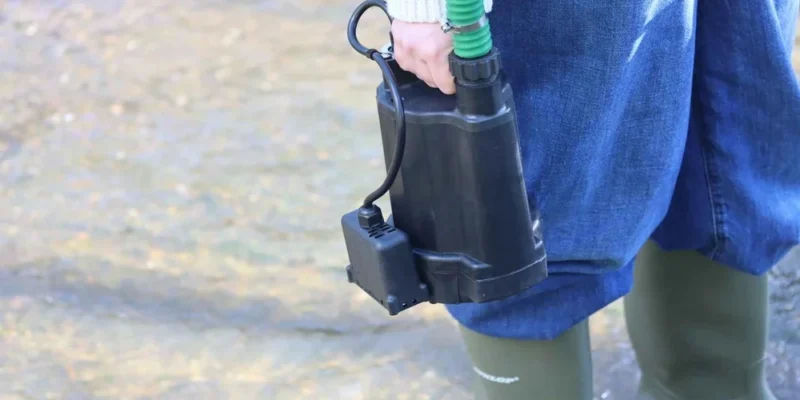
A portable flood pump supplements a permanent sump system or serves as the primary protection for properties without a below-ground installation. The critical characteristics for a portable emergency flood pump are: a dirty water rating that allows it to handle silt laden floodwater without impeller damage, adequate flow rate to clear the anticipated water volume within a useful timeframe, and a power supply that remains available during the storm conditions that accompany flooding.
Petrol driven flood pumps are the most resilient option for emergency response, as they operate entirely independently of the mains electrical supply that storm damage commonly disrupts. Battery powered submersible options provide an indoor deployable alternative without exhaust emissions. Mains powered submersible drainage pumps are appropriate where the electrical supply can be confirmed safe and where the pump can be connected away from the water level. The submersible drainage pumps range covers compact automatic and manual options suited to domestic flood response across all power supply types.
Testing and Preparation Before Winter
Equipment that has not been tested is equipment that may not work when it is needed. October is the right month to test any sump pump or emergency flood pump that will be relied upon through winter. For a sump pump, pour water into the sump and confirm the float switch activates the pump, the pump clears the water, and the float drops and stops the pump cleanly. For a petrol emergency pump, run it under load for several minutes to confirm the engine starts reliably and the pump delivers its rated output. Check discharge hoses for cracks, damaged couplings, and adequate length to reach the intended discharge point.
Frequently Asked Questions
What is the best pump for a flooded basement?
A permanently installed submersible drainage pump with a float switch and dirty water rating is the most effective solution for a basement with recurring water ingress; for occasional or emergency use, a portable submersible drainage pump with adequate flow rate at the actual discharge head of the installation provides effective response capability.
Can a mains pump be used during a flood event?
Yes, provided the electrical supply can be confirmed safe and the connection point is above the water level; where power supply reliability during a storm is uncertain, a petrol or battery pump provides more reliable emergency performance.
How much flow rate do I need to clear a flooded room?
A flow rate of 6,000 to 10,000 litres per hour at the actual discharge head will clear a typical domestic flooded room within 30 to 60 minutes; larger volumes or higher discharge heads require proportionally higher pump output.
Should I buy a flood pump before the flood risk season starts?
Yes; purchasing and testing a flood pump before the winter risk season ensures it is available and operational before it is needed, rather than being out of stock or delayed in delivery during an active flood event when demand spikes.
Final Thoughts
Winter flood protection comes down to having the right pump in place, confirmed as operational, before the risk season begins. A permanent automatic sump system for properties with recurring groundwater or basement ingress, combined with a deployable emergency pump for surface water and river flood events, provides layered protection that addresses the full range of winter flood scenarios most UK properties face.
Specialist suppliers of flood defence pumps and drainage equipment carry both permanent and portable pump options with the technical guidance needed to confirm the right specification for any property and flood risk type.











Comments