 By
By 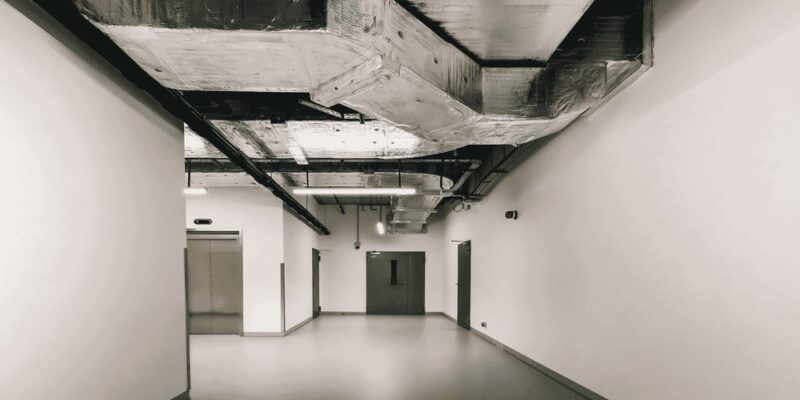
When most people think about building or improving a home or industrial facility, they think about standard parts from a catalog. You pick a size, place an order, and install whatever arrives. But what happens when the standard part does not fit? What happens when your project needs something that does not exist on a shelf?
That is where custom fabrication makes all the difference.
Custom fabrication is the process of designing and building parts, structures, or components specifically for a project. It is not a luxury reserved for large corporations. Today, homeowners, contractors, HVAC specialists, and insulation experts all rely on custom fabrication to solve problems that off-the-shelf products simply cannot handle.
In this post, we will explore how custom fabrication supports better outcomes in both industrial and residential settings – from welded steel structures to perfectly fitted ductwork and insulation systems.
What Is Custom Fabrication and Why Does It Matter?
Custom fabrication means building something from raw materials based on exact specifications. This could be a steel frame, a metal duct, a bracket, a support beam, or even a housing unit for mechanical equipment.
Unlike mass-produced items, fabricated products are made for a specific purpose. They fit the space, handle the load, and work with the systems already in place.
Here is why it matters:
- No wasted space: Custom parts are designed to fit perfectly, so there are no gaps, misalignments, or awkward workarounds.
- Stronger performance: When a component is built for a specific job, it performs better than something designed to work “in most situations.”
- Longer lifespan: Parts that fit correctly experience less stress and wear, which means they last longer.
- Cost savings over time: While custom fabrication may cost more upfront, it reduces maintenance, repairs, and replacements in the long run.
Whether you are building a new home, upgrading a warehouse, or installing an HVAC system in a commercial space, custom fabrication can be the factor that separates a good result from a great one.
Custom Fabrication in Industrial Settings
Industries like manufacturing, construction, agriculture, and energy rely heavily on fabricated metal components. Machines wear out. Structures need to be modified. New equipment requires custom mounts, frames, and supports.
Professional welding and fabrication services bring all of this together. When a factory needs a conveyor support that fits a non-standard layout, or when a construction site needs a custom steel beam cut to exact dimensions, skilled fabricators handle the job.
Structural Fabrication
Structural steel fabrication involves cutting, bending, and assembling steel into frames, trusses, platforms, and other load-bearing structures. These are used in industrial buildings, warehouses, bridges, and heavy equipment supports.
Custom structural work ensures the design matches the load requirements, local building codes, and the specific dimensions of the site.
Equipment Supports and Mounts
Industrial equipment often comes with standard mounting specs, but the building it goes into rarely matches those specs exactly. Custom fabricators create mounting systems, brackets, and platforms that allow equipment to be installed safely and efficiently.
Repair and Modification Work
One of the most valuable aspects of fabrication services is the ability to repair or modify existing structures and equipment. Rather than replacing an entire assembly, a skilled welder can repair a cracked beam, reinforce a worn support, or modify a frame to accommodate new machinery.
If you are looking for expert welding and custom metal fabrication services, Parker Welding and Fabrication offers a wide range of professional solutions for both industrial and residential projects. Their team handles structural welding, custom metalwork, and equipment fabrication with precision and reliability.
Custom Fabrication in HVAC and Cooling Systems
Heating, ventilation, and air conditioning systems are among the most complex installations in any building. They involve ductwork, piping, electrical components, and mechanical units – all of which must work together seamlessly.
Off-the-shelf ductwork and fittings are made in standard sizes. But buildings are not standard. Older homes have unique layouts. Commercial buildings have irregular ceiling heights. Renovated spaces often have walls, columns, and obstacles that create challenges for standard HVAC installations.
Custom Ductwork
Custom ductwork is fabricated to match the exact dimensions of the space. This means better airflow, fewer leaks, and a system that operates more efficiently. When ducts are forced to fit using makeshift adapters or sharp bends, air resistance increases and the system has to work harder to achieve the same result.
Custom fabricated ducts reduce that resistance, improve airflow, and lower energy bills.
Equipment Housing and Enclosures
HVAC units, especially rooftop or wall-mounted commercial systems, often require custom housing or enclosures for protection against weather, vandalism, or to meet aesthetic requirements. Fabricated metal housings can be built to spec, ensuring the unit fits perfectly and stays protected.
Condensate Drain Systems and Pans
Another area where fabrication matters is in drainage. Standard condensate pans may not fit correctly in retrofit applications. A fabricated pan made to the exact dimensions of the unit ensures that moisture is captured and removed without leaks or overflow.
Proper HVAC installation and maintenance are just as important as the fabrication itself. For professional AC repair and HVAC services, MCC Fix My AC provides reliable cooling solutions for homeowners and commercial clients. Their team understands the importance of proper fitment and quality installation for long-term system performance.
Custom Fabrication and Insulation Systems
Insulation is often an afterthought in construction and renovation projects, but it is one of the most important factors in energy efficiency and comfort. Poor insulation leads to higher utility bills, uncomfortable indoor temperatures, and moisture problems.
Custom fabrication plays a critical supporting role in insulation systems.
Framing for Insulation Installation
Before insulation can be installed, the framing must be correct. Custom fabricated metal frames, supports, and stud systems allow insulation to be placed exactly where it needs to go – without gaps or compression that reduces its effectiveness.
In commercial and industrial buildings, metal stud walls often need to be fabricated on-site to match specific wall heights and layouts. A fabrication team can produce these components quickly and accurately.
Custom Enclosures and Pipe Insulation Supports
Pipes, ducts, and mechanical systems that run through walls and ceilings need to be insulated properly. Custom fabricated pipe supports, hangers, and enclosures ensure that insulation stays in place and maintains full contact with the surface being insulated.
Without proper support, insulation can sag, compress, or shift – creating cold spots, moisture buildup, and energy loss.
Vapor Barriers and Metal Jacketing
In industrial and commercial applications, insulation is often protected by metal jacketing. This outer layer protects the insulation from physical damage, UV exposure, and moisture. Custom fabricated metal jacketing is cut and shaped to fit specific pipe diameters, vessel shapes, and equipment profiles.
This kind of precision work requires skilled fabricators who understand both metalwork and the requirements of insulation systems.
For comprehensive insulation services that improve energy efficiency and comfort in homes and businesses, Insulation Nation delivers professional insulation installation and solutions across a wide range of residential and commercial applications.
How All Three Systems Work Together
Here is something that does not get talked about enough: welding and fabrication, HVAC systems, and insulation are deeply connected. When one of these is done poorly, it affects the others.
Consider a commercial building renovation:
- Custom steel framing is fabricated to create new wall cavities and ceiling spaces.
- HVAC ductwork is fabricated to fit the new layout and routed through the spaces.
- Insulation is installed around the ducts and within the walls to maintain energy efficiency.
If the framing is off by even a few inches, the duct does not fit. If the duct does not fit, the insulation cannot be placed correctly. Each component depends on the precision of the one before it.
Custom fabrication is the thread that ties these systems together. When every component is made to specification, the entire system performs better – and lasts longer.
Benefits of Choosing Custom Fabrication Over Standard Parts
Here are the key reasons why custom fabrication is worth considering for your next project:
1. Perfect Fit Every Time Custom parts are built to the exact measurements of your project. There is no need for adapters, extensions, or awkward modifications.
2. Higher Quality Materials Fabricators work with materials selected for the specific job. You can choose the right grade of steel, the right gauge of metal, or the right type of alloy based on the load, environment, and application.
3. Reduced Installation Time When parts arrive already cut and shaped to specification, installation goes faster. There is less time spent on adjustments, cutting, or problem-solving on the job site.
4. Better System Integration Custom components are designed to work with the other systems in your building. This means better connections, fewer leaks, less vibration, and improved overall performance.
5. Scalability For industrial applications especially, custom fabrication allows systems to be scaled up or modified over time. New sections can be added, existing ones can be reinforced, and layouts can be adapted without starting from scratch.
6. Local Expertise Working with local fabricators means faster turnaround, easier communication, and support from people who understand your regional building codes, climate conditions, and industry requirements.
Common Applications of Custom Fabrication in Homes
Custom fabrication is not limited to large industrial projects. Homeowners benefit from it too.
- Custom metal railings and staircases for unique home layouts
- Fabricated steel support beams for open-concept renovations
- Custom HVAC duct transitions for older homes with non-standard ceiling heights
- Metal frames for fireplaces and chimneys that require exact sizing
- Insulation support systems for crawl spaces, attics, and basement walls
- Custom exhaust hoods and ventilation systems for kitchens and bathrooms
These are all situations where standard parts would either not fit or not perform well – and where a skilled fabricator can provide a solution that works perfectly.
Choosing the Right Fabrication Partner
Not all fabrication services are the same. When choosing a fabricator for your project, look for:
- Experience with your project type – residential, commercial, or industrial
- In-house welding and cutting capabilities – this ensures faster turnaround and better quality control
- Knowledge of local building codes – a local team understands what is required in your area
- A portfolio of past work – ask to see examples of similar projects
- Transparent pricing – custom work should come with a clear quote based on your specifications
Getting multiple quotes is always a good idea, but do not make the decision based on price alone. The quality of the fabrication will affect every system it supports, and poor workmanship can be costly to fix later.
FAQ:
Q1. What is the difference between custom fabrication and standard manufacturing?
Standard manufacturing produces large quantities of identical parts for general use. Custom fabrication produces specific components designed to meet the exact requirements of a particular project. Custom parts are made to fit your space, your load requirements, and your existing systems.
Q2. Is custom fabrication more expensive than buying standard parts?
Custom fabrication often has a higher upfront cost because each piece is made individually. However, it typically saves money over time by reducing the need for modifications, repairs, and replacements. In many cases, it also reduces installation time and labor costs.
Q3. How does custom fabrication improve HVAC performance?
Custom ductwork and components fit the space exactly, which reduces air leaks, improves airflow, and allows the system to operate at peak efficiency. A properly fitted system uses less energy to deliver the same level of heating or cooling.
Q4. Can custom fabrication help with insulation in older homes?
Yes. Older homes often have irregular wall cavities, non-standard ceiling heights, and unusual layouts that make standard insulation products difficult to install correctly. Custom framing and support systems allow insulation to be fitted properly, which improves energy efficiency and prevents moisture problems.
Q5. How long does custom fabrication typically take?
Turnaround time depends on the complexity of the project and the fabricator’s current workload. Simple parts may be ready in a few days. More complex structural work may take one to several weeks. Always discuss timelines upfront before committing to a project schedule.
Q6. Do I need an architect or engineer before starting custom fabrication work?
For structural work – especially in commercial or industrial settings – an engineer’s input is often required to ensure the fabricated components meet load and safety requirements. For smaller residential projects like custom railings or duct transitions, this may not be necessary. Check with your local building authority.
Q7. What materials are commonly used in custom fabrication?
The most common materials include mild steel, stainless steel, aluminum, galvanized steel, and carbon steel. The best material depends on the application – whether it involves outdoor exposure, chemical resistance, high temperatures, or heavy loads.
Q8. Can custom fabricated parts be used to repair existing systems?
Absolutely. One of the most common uses of custom fabrication is repairing or reinforcing existing structures, ducts, and mechanical systems. A fabricator can match the material and dimensions of an existing component to create a repair that fits seamlessly.
Final Thoughts
Custom fabrication is not just for large industrial plants or specialty construction firms. It is a practical solution for homeowners, HVAC contractors, insulation professionals, and builders who want their systems to perform at their best.
When you invest in custom-made components – whether it is a welded steel frame, a precisely fitted duct, or an insulation support system – you are investing in quality, efficiency, and longevity.
The next time you face a project where standard parts are not quite right, consider what custom fabrication can offer. The right fit, the right material, and the right craftsmanship make all the difference.




Comments