
 By
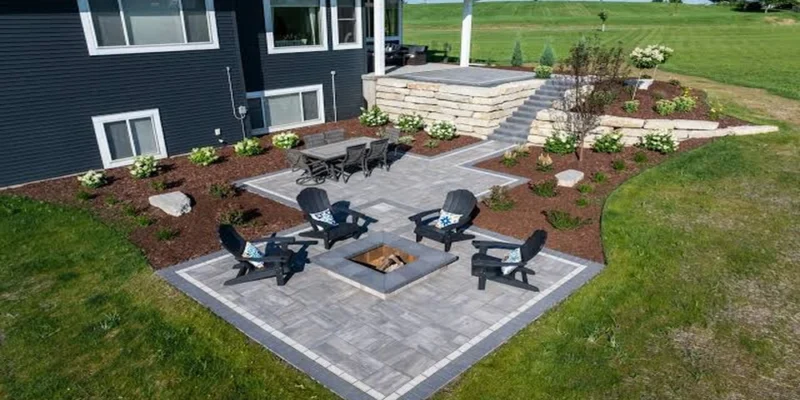
Every March, somewhere in the northern Twin Cities, a homeowner steps onto the patio and feels a paver rock underfoot. The stone itself did not fail. The ground below it moved, the way Minnesota ground moves every winter, swelling as trapped water freezes and settling again when the thaw arrives. Outdoor projects here depend less on the surface people admire and more on the layers nobody ever sees.
That is why landscape builders such as Home & Grounds, a Blaine company that designs patios, retaining walls, outdoor kitchens and fire features for north metro homes, put so much of the planning stage into soil, slope and drainage. Colors and textures come later. The first conversation is usually about where water goes once the snow melts.
For anyone planning a backyard upgrade, knowing that underground story makes it easier to ask sharp questions, compare bids fairly and avoid repairs a few winters down the road.
Frost Heave Does Most of the Damage
Water expands as it freezes. When moisture collects in the soil beneath a patio, it can form thin layers of ice that grow and push upward. Builders call this frost heave, and it explains most of the uneven pavers, tilted steps and cracked slabs found around the state.
Homes and other structures in Minnesota sit on footings set deep below the frost line, often somewhere between 42 and 60 inches depending on the county. Patios are different. They are usually built as “floating” surfaces that rise and fall slightly with the seasons. Their survival depends on a thick, well compacted gravel base that drains quickly, so water never lingers long enough to freeze in a damaging way.
Base depth and compaction are where cheap installs cut corners. Gravel should be placed and compacted in thin layers rather than dumped in one pass, and a fabric separator often keeps native soil from mixing into the base over time.
North Metro Soil Is Not One Soil
Much of Anoka County, including Blaine and Ham Lake, sits on sandy ground that drains fast but can shift if it is not compacted well. Pockets of high groundwater and nearby wetlands add another layer of complexity. Head east toward Stillwater, Hugo or Forest Lake and heavier clay becomes more common. Clay holds water, swells when wet and heaves harder in winter.
The same patio design can behave very differently on these two soils. A good installer adjusts base depth, drainage and edge restraints to the yard in front of them rather than reusing one formula across the whole metro.
Steps Worth Taking Before Any Digging Starts
A little homework at the planning stage saves money later. These four checks matter most:
- Get utilities marked. Minnesota law requires notice before any excavation, and the Gopher State One Call program explained by the Minnesota Department of Public Safety is free. Some lines sit only inches below the surface. If a contractor handles the dig, the notice is their responsibility, but it is still worth confirming.
- Check city rules. Many cities limit how much of a lot can be covered by hard surfaces, and shoreland properties often face tighter limits. Taller retaining walls frequently need a permit and an engineered design.
- Watch the yard during a heavy rain. Note where downspouts empty, where puddles form and which direction water travels. The finished grade should move water away from the house foundation.
- Ask how the base will be built. A clear answer about gravel depth, compaction method and drainage says more about quality than any photo gallery.
Retaining Walls Hold Back Water Too
A retaining wall looks like it holds soil, but water is often the bigger load. Saturated ground behind a wall pushes far harder than dry ground, and freezing water adds even more force. Walls that bulge or lean after a few seasons usually lacked drainage rather than strength.
Well built segmental walls include a buried first course, a zone of clean crushed stone directly behind the blocks and a perforated drain pipe near the base that carries water out. Taller walls add layers of geogrid, a mesh that ties the wall into the soil behind it. As a general rule, walls approaching four feet or more call for engineering input, and some cities set lower thresholds.
Permeable Pavers Are Moving Into Backyards
Commercial lots and city projects have used permeable paving for years, and the idea is now showing up in residential patios and driveways. These systems leave small gaps between pavers filled with open stone, letting rain and snowmelt drop into a deep gravel reservoir instead of running off.
According to the Minnesota Pollution Control Agency’s stormwater manual overview of permeable pavement, these surfaces have shown favorable performance in cold climates and can reduce the need for deicing salt and sand. That matters in a state working to cut chloride pollution in its lakes and streams.
The trade off is maintenance. Joints can clog with sediment and leaves, so periodic sweeping or vacuuming keeps them working. They also suit some soils better than others, which brings the conversation right back to what lies underground.
Outdoor Kitchens and Fire Features Stretch the Season
Minnesota summers are short, so homeowners increasingly build for spring and fall evenings too. Gas fire pits, fireplaces and built in grills turn a patio into a space people use well into October.
These features add weight and utilities to the plan. A stone kitchen island is heavy enough to need a properly prepared base, and gas or electrical lines must be routed safely and inspected where required. Countertops should handle freezing temperatures without cracking, and sealed stone or concrete tends to fare better than porous materials. Fire features also need sensible clearance from the house, overhead branches and seating areas.
Water features follow similar logic. Pumps and plumbing need a plan for winter shutdown, and basins should be designed so ice expansion does not crack liners or stone edges.
The Real Measure of a Backyard Project
The true test of outdoor work in Minnesota comes in the third or fourth spring, long after the photos are taken. A patio that still sits flat, a wall that still stands plumb and a kitchen that still fires up in May all point back to decisions made underground during the first week of the job. Homeowners who ask about soil, drainage and base construction early are far more likely to enjoy a backyard that ages well through many hard winters.








Comments