 By
By 
Your home’s plumbing system works quietly in the background every day, delivering clean water and removing waste without much thought. Because most pipes, valves, and fixtures are hidden behind walls or beneath floors, small issues can go unnoticed until they become expensive repairs. Regular home inspections can help you identify warning signs early, reduce water waste, and protect your property from unnecessary damage.
Whether you’re a new homeowner or have lived in the same house for years, taking time to inspect your plumbing room by room is a practical way to stay ahead of potential problems. If you discover anything beyond a simple fix, seeking local plumbing for home repairs can help prevent a minor issue from turning into a major one.
Start in the Kitchen
The kitchen is one of the busiest areas of any home, making it a good place to begin your inspection.
Look beneath the sink for signs of moisture, staining, or mold around the pipes. Even a slow drip can eventually damage cabinets and flooring. Run the faucet and check whether water drains smoothly. Slow drainage may indicate grease buildup or a developing clog.
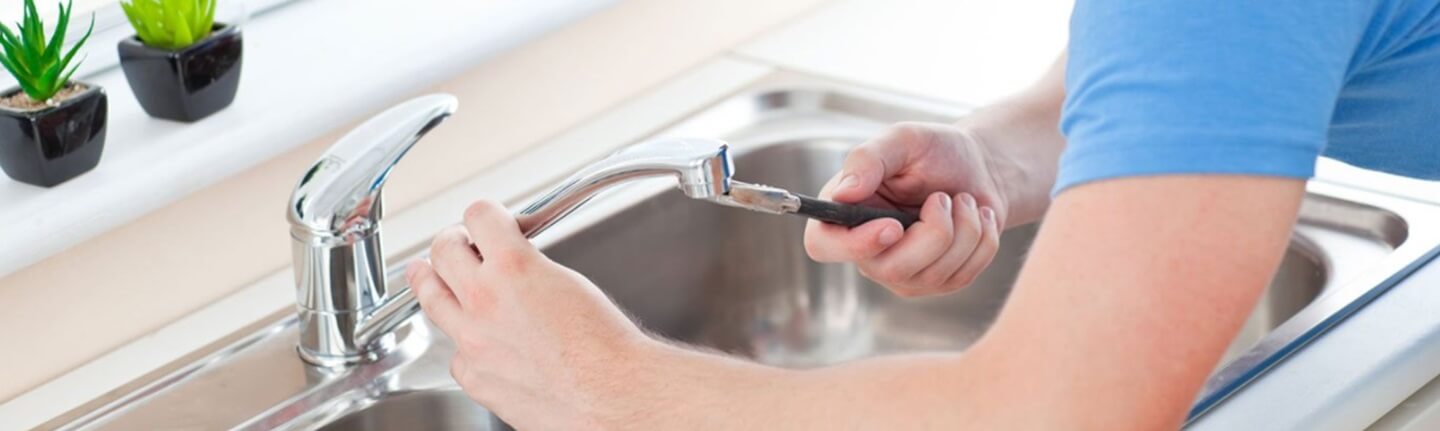
Inspect the faucet for leaks around the base and handles. Small leaks often waste more water than homeowners realize over time. If your kitchen includes a garbage disposal, listen for unusual grinding noises and check for leaks where it connects to the sink and drainpipe.
Finally, inspect the water supply lines leading to your dishwasher. Cracks, corrosion, or loose fittings can eventually cause unexpected leaks.
Check Every Bathroom Carefully
Bathrooms contain multiple plumbing fixtures that experience daily use, making them one of the most important areas to inspect.
Examine Toilets
Start by checking around the toilet base for moisture or soft flooring. Flush the toilet and observe whether it empties and refills properly. Continuous running, weak flushing, or unusual noises could indicate worn internal components.
Also, gently rock the toilet. Any movement may suggest a loose seal that should be addressed before water damage develops beneath the flooring.
Inspect Sinks
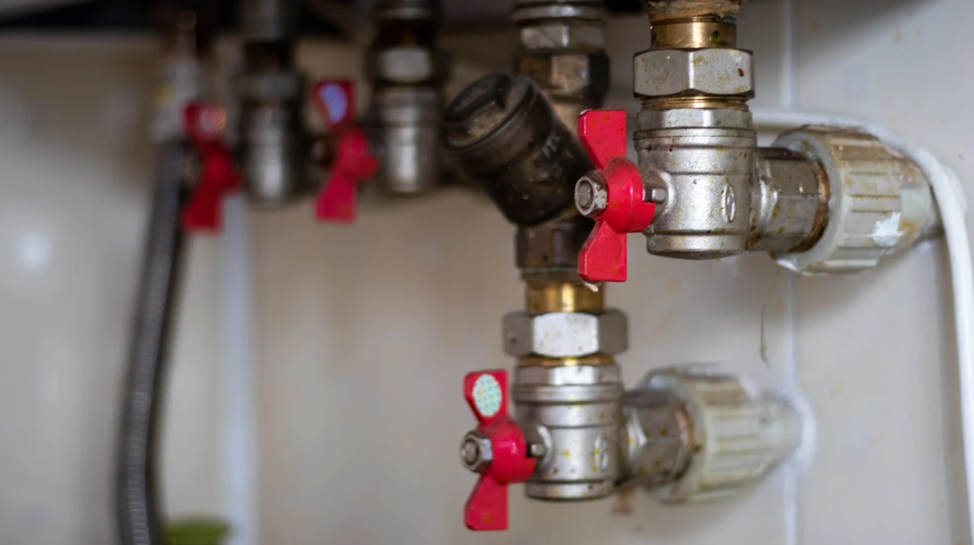
Turn both hot and cold water on fully. Watch for dripping beneath the sink while the water is running. Check shut-off valves for corrosion and inspect supply lines for wear.
Slow drains often signal buildup inside the pipes, while unpleasant odors may suggest a partially blocked drain or vent issue.
Test Showers and Bathtubs
Inspect the showerhead for uneven spray patterns or mineral buildup. Look closely at grout and caulking around the tub or shower enclosure. Cracked seals allow water to seep behind walls, potentially causing hidden mold and structural damage.
Allow water to run for several minutes while checking the ceiling below-if applicable-for any signs of moisture.
Visit the Laundry Room
Laundry appliances use significant amounts of water, making routine inspections especially important.
Examine the washing machine hoses carefully. Rubber hoses can crack with age, while braided stainless-steel hoses should still be checked for corrosion or loose connections. Replace damaged hoses before they fail unexpectedly.
Inspect the drain pipe to ensure it remains securely connected and drains efficiently during a wash cycle. Water pooling behind the machine often indicates a leak or drainage issue that requires attention.
If your laundry room contains a utility sink, inspect it just as you would a kitchen sink, paying close attention to the drain and supply connections.
Don’t Forget the Water Heater
Your water heater deserves regular attention because even minor problems can shorten its lifespan.
Look around the base for standing water or signs of rust. Inspect the pressure relief valve and nearby pipe connections for leaks. Corrosion around fittings often indicates aging components that may soon require replacement.
Listen for popping or rumbling sounds while the heater operates. These noises frequently result from sediment buildup inside the tank, reducing efficiency and increasing wear.
Also, verify that the temperature setting remains at a safe level, typically around 120°F, which helps prevent scalding while improving energy efficiency.
Inspect Basements and Crawl Spaces
If your home has exposed plumbing in a basement or crawl space, take advantage of the opportunity to inspect pipes directly.
Look for:
- Corrosion or rust on metal pipes
- White mineral deposits around fittings
- Damp insulation
- Water stains on walls or ceilings
- Small drips or condensation
- Cracks in pipe joints
Pay particular attention after heavy rainfall, as excess moisture may reveal drainage or foundation-related plumbing concerns.
Check Outdoor Plumbing
Plumbing inspections shouldn’t stop at your front door.
Walk around the exterior of your home and inspect outdoor faucets for dripping or signs of freezing damage. Connect a hose briefly to verify proper water flow.
If you have an irrigation system, examine sprinkler heads for leaks, broken components, or areas where water pools unnecessarily. Excess moisture around outdoor pipes may indicate underground leaks.
Also inspect any exposed exterior pipes for insulation damage, particularly if your region experiences seasonal temperature changes.
Watch for Hidden Warning Signs Throughout the Home
Not every plumbing problem appears directly beneath a sink or around a fixture. Many warning signs develop elsewhere inside the house.
Pay attention to:
- Water stains on ceilings or walls
- Peeling paint or bubbling wallpaper
- Musty odors
- Unexpected increases in your water bill
- Reduced water pressure
- Sounds of running water when no fixtures are in use
These subtle clues often indicate hidden leaks behind walls or beneath flooring that deserve prompt investigation.
Create a Simple Inspection Routine
The easiest way to avoid expensive plumbing emergencies is by performing regular inspections throughout the year.
A seasonal checklist helps ensure you don’t overlook important areas. Spring and fall are ideal times to examine pipes, appliances, and outdoor fixtures. Testing shut-off valves occasionally also ensures they’ll function properly during an emergency.
Keeping a record of small repairs and observations can help you identify recurring issues before they become larger problems.
Conclusion
A room-by-room plumbing inspection doesn’t require advanced technical knowledge, but it can make a significant difference in protecting your home. By checking kitchens, bathrooms, laundry areas, water heaters, basements, and outdoor plumbing on a regular basis, you’ll have a better chance of spotting leaks, worn components, and drainage issues before they lead to costly repairs.
While many small maintenance tasks can be handled by homeowners, persistent leaks, hidden water damage, or complicated plumbing concerns should always be evaluated by a qualified professional. Staying proactive today can help preserve your home’s plumbing system, improve efficiency, and prevent unexpected problems in the future.





Comments