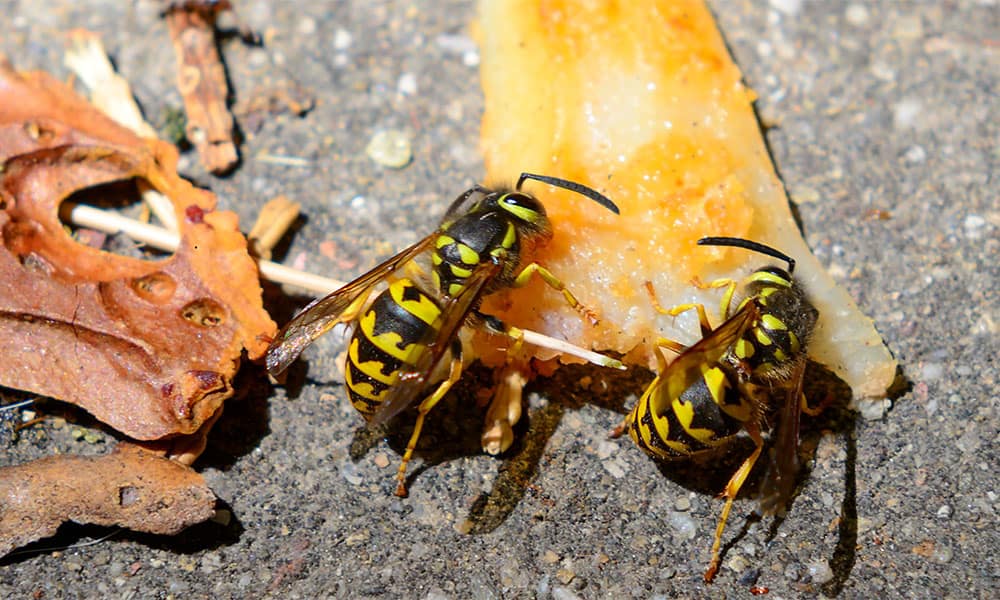
The presence of a yellow jacket nest can quickly transform any backyard from a place of peace to a site of peril. They are fast, forward, and very protective of their nest. Only when stings become common do most people see the issue. Understanding nest development, locations, and signs helps keep you safe.
Why Yellow Jackets Build Nests
In early spring, a yellow jacket nest is just a newly founded colony with a single queen. She finds a secret spot to deposit her eggs and start the first cells of the colony. Workers emerge when it warms up, and summer brings expansion of the nest.
The nest grows fast. Late in the season, it could contain thousands of insects. This is why they are most active late summer and early fall.
Typical Nest Locations for Them
Yellow jackets like to explore under some shade and cover. A few are easily recognized but most remain unnoticed.
Common places include:
- Underground burrows
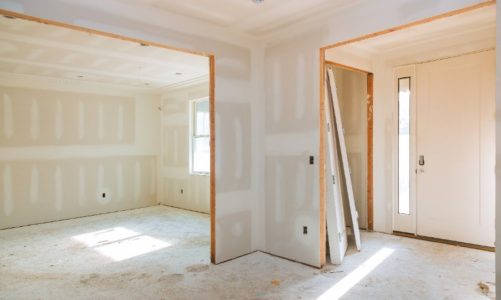
- Wall cavities
- Attics and crawl spaces
- Tree roots or rotting logs
- Shed, garage, and outdoor storage space
If you spot a constant influx of bugs traveling in and out from a single location, odds are there is a yellow jacket nest in the neighborhood.
Signs You Shouldn’t Ignore
You know that things are going wrong, no need to see the nest itself. Long before a colony expands to any significant size, these insects are leaving behind clues.
Watch for:
-
Increased Aggression
Yellow jackets are particularly territorial around their nests. Walking towards the area itself may set off a reaction.
-
Constant Swarming
One of the most reliable signs of a nest entrance is the sight of insects appearing on the same spot, day after day.
-
Buzzing Inside Walls
A nest hidden in a wall cavity typically creates a soft, constant humming sound.
The Dangers of Removing a Nest Yourself
This insect is dangerous, when you disturb a yellow jacket nest then this may attack with a lot. While bees sting once and die, yellow jackets can sting again and again. Even the slightest movement of the nest can trigger a swarm.
DIY removal is risky because:
- A nest is a lot bigger than it looks
- Insects react fast to vibrations
- Need good equipment for safety
- You cannot success in taking off night sometimes
The safest choice for most people is to call in a licensed pest specialist.
How Professionals Handle It
They come with protective suits, and special dust, and method. They find the entrance to the nest, apply a treatment, and make sure no living bugs are able to remain active. Others may seal up possible entry points or provide tips for repairs to deter a new home.
By using this method, you maintain safety and the colony cannot grow back.
Preventing Future Nests
While you can’t thwart every yellow jacket nest, a few simple measures keep one from making its home close to your house.
- Seal cracks around foundations
- Keep trash cans closed tightly
- Remove excess fruit from the ground around the yard
- Fix screens and vents
- Avoid leaving sugary drinks outside
By employing these simple habits, your home becomes a less attractive place for yellow jackets.
Final Thoughts
Do not take a yellow jacket nest lightly. These insects are known for very high territorial behavior and will protect their own bee colony until death, which includes high mortal stings. Knowing where they build nests, the initial warnings, and when to call an exterminator ensures that your house and loved ones are safeguarded. A little awareness and quick action will save you from the painful rendezvous.