Winter roof damage does not happen overnight with a catastrophe. It all begins with a little freezing rain, freezing rain, ice, full, or slow-moving rain gutters, some ponding which freezes overnight. Eventually, these problems develop and result in leaks and structural damage. And this is where the importance of roof heat cable comes into play. It stops ice at the source before it spreads across the roof.
Roof Heat Cable: Where Does It Fit into Your Winter Strategy?
Heat cable is not an alternative to insulation or ventilation. Instead, it supports them. When the airflow is strong enough and the insulation is proper, heat cable preserves open drainage routes all winter long.
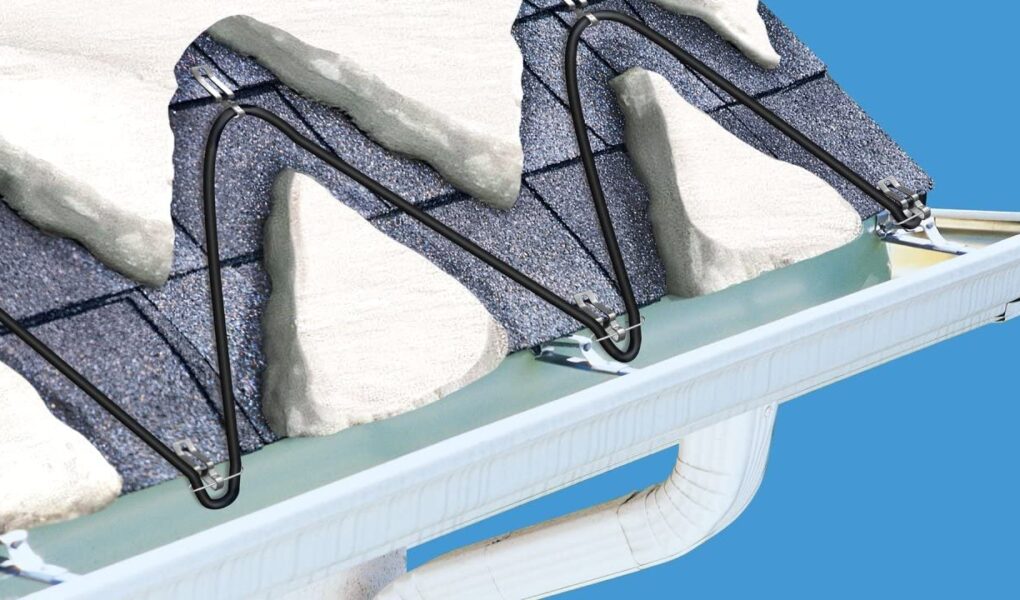
Roof heat cable right here has a very simple principal function. This keeps a channel warm for snow to run off the roof instead of freezing at the edges.
Forget About the Cold – It’s the Freeze − Thaw Cycle That is the Real Killer
The majority of ice problems are rooted in daily variations in temperature. During days above freezing, the sun melts snow. During the night, the temperatures drop and we have water freezing again. It repeats until the ice becomes thick.
Roof heat cable breaks this cycle by helping keep some of these critical areas from refreezing. Ice can’t accumulate as long as water is able to move.
Smart Placement is Always Better than Full Coverage
Running heat cable all across the roof is excessive and unnecessary. This is much more effective than random placement.
Professionals usually focus on:
- Eaves where runoff refreezes
- Roof valleys that collect meltwater
- Gutters and downspouts
- Coated locations that take longer to cool
When installed purposefully, roof heat cable is effective without excessive energy use.
What About Power Use?
Most modern systems are built for efficiency. Most come with sensors that only switch on the cable if it detects both moisture and below-freezing temperatures.
To keep costs reasonable:
- Heat only problem areas
- Use automated controls
- Shutdown the system into hot dry cycles
Roof heat cable, when used judiciously, costs a fraction of the cost of repairing water damage or overheads.
Why Experience Matters During Installation
Heat cable benefits are limited when installed incorrectly Poor spacing creates cold spots. Loose cables can damage shingles. It creates many safety concerns due to the improper electrical setup.
A skilled installer is trained to properly attach roof heat cable to gutters and other features, space the cable evenly, and set the cable to serve for winter after winter.
Preventive Care That Saves Money
Heat cable is best when installed proactively prior to ice problems. The longer you wait for ice dams to form, the less the system has to offer, and the more likely it is to cause damage.
Think of roof heat cable as prevention. It protects your roof from the harshest elements and decreases emergency repair requests.
Final Perspective
There’s a reason winter always gets snow and cold temps. But it does not mean ice damage must be part of the deal. Strategically installed roof heat cable means roof safety, clear drainage channels, and ice build-up control all season long.