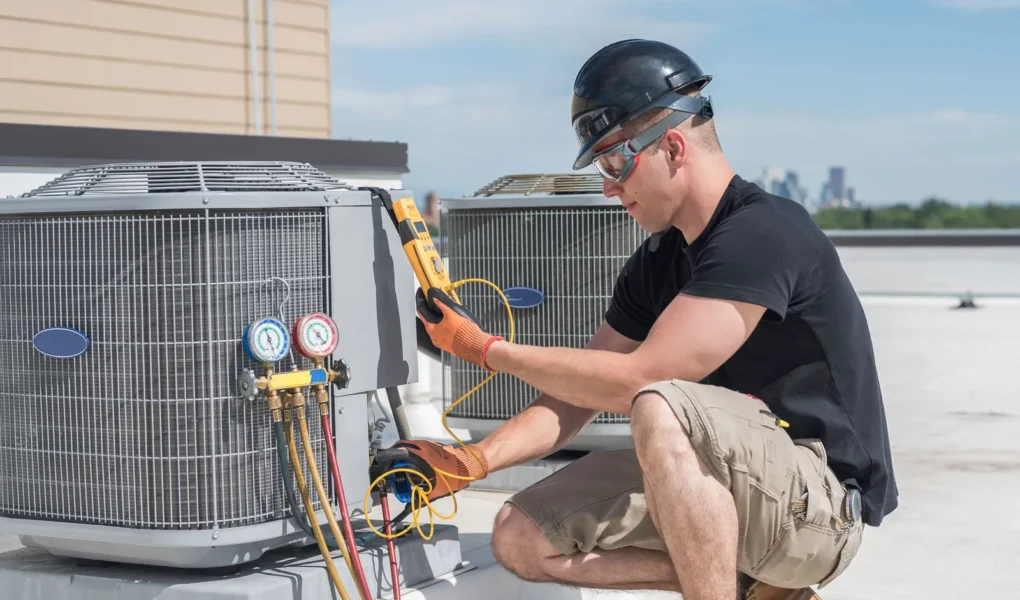
When your HVAC system starts wearing down, it rarely fails all at once. Instead, it gives off small warning signs that many homeowners overlook.
The key is knowing which repair metrics truly point to HVAC system degradation and which ones matter most before a breakdown happens.
So what should you actually be paying attention to?
Temperature Performance Changes
One of the first metrics technicians look at is the temperature difference between the air entering and leaving your system. When everything is working correctly, your HVAC should remove heat consistently and evenly.
If the air coming out of your vents no longer feels as cool or warm as it once did, that often signals deeper issues. Dirty coils, airflow restrictions, or refrigerant problems can all reduce heat transfer efficiency. When this metric drifts over time, it is a strong sign that your system is losing performance.
Energy Usage Trends Over Time
Have your energy bills slowly climbed even though your habits have not changed? This is one of the clearest indicators of system degradation.
As HVAC components wear down, the system has to run longer to achieve the same comfort level. That increased runtime shows up directly on your utility bill.
A noticeable rise without extreme weather usually means parts like motors, coils, or compressors are no longer operating efficiently.
Electrical Load And Startup Behavior
Another important metric is how much electrical current your system draws when starting and running. Systems that struggle during startup often have weakening capacitors or compressors nearing the end of their lifespan.
If the lights dim when your system turns on, or you hear delays before it starts, those are real performance signals. These issues rarely fix themselves and usually worsen if ignored.
Runtime And Cycling Patterns
Your HVAC should run in steady cycles. Short bursts of operation followed by frequent shutdowns indicate unnecessary strain. On the other hand, systems that run constantly without reaching the thermostat setting are also showing signs of decline.
Both patterns increase wear and shorten system life, especially during Cincinnati’s hot summers and cold winters.
Indoor Comfort And Air Quality Changes
Uneven room temperatures, new humidity issues, or lingering odors inside the home often point to declining airflow, drainage problems, or duct system stress. These are not comfort issues alone. They are system health indicators.
Why Professional Monitoring Matters
Modern HVAC degradation is not always obvious. That is why working with a trusted local provider matters. HELP Plumbing, Heating, Cooling, and Drains understands how regional weather, home layouts, and seasonal demand affect system wear across the Cincinnati area.
Our technicians track the right metrics, not just surface symptoms, helping homeowners catch problems early and extend system life.
Watching the right repair metrics does more than prevent breakdowns. It protects comfort, controls energy costs, and keeps your HVAC system working the way it should, year after year.