
 By
By 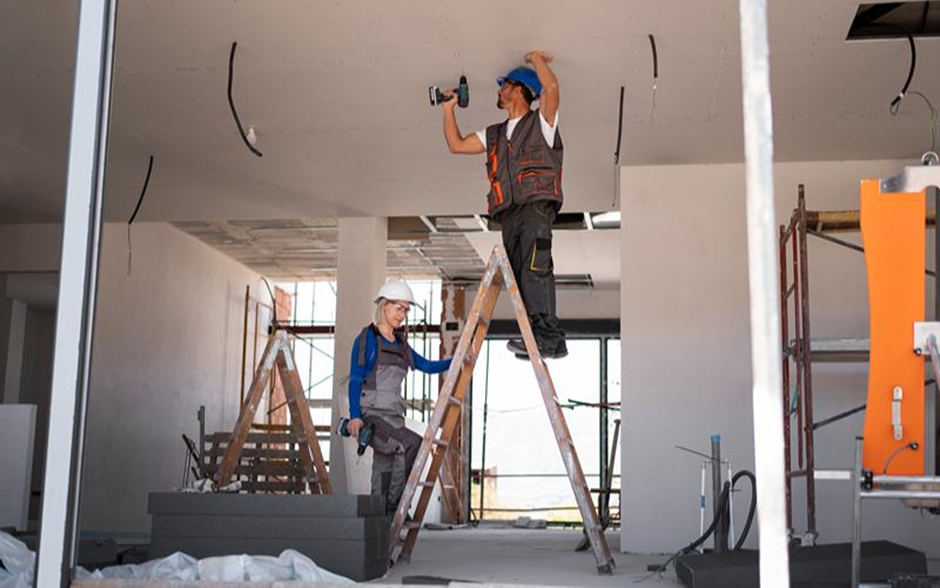
Office reinstatement in Singapore refers to restoring a leased office space to its original state before returning it to the landlord. Tenants commonly carry out reinstatement after a lease ends, following the terms in the tenancy agreement. The process covers removing fittings, partitions, furniture, and electrical works installed during occupancy. It also includes repainting walls, repairing floors, and restoring lighting or plumbing systems.
Landlords often specify reinstatement requirements within the lease. Failure to comply may result in withheld security deposits or additional charges. Engaging an experienced office interior designer helps tenants meet all reinstatement obligations efficiently. Designers familiar with reinstatement works streamline planning, coordinate contractors, and ensure compliance with building management standards.
A professional interior designer understands how to dismantle existing structures without damaging core building elements. They manage project schedules, supervise contractors, and ensure proper waste disposal. Thorough reinstatement avoids penalties, protects business reputation, and allows faster project closure.
Role of an Office Interior Designer in Reinstatement
An office interior designer plays a key role in every reinstatement project. Their job extends beyond design; it involves technical understanding and coordination. Designers first assess the site to identify all modifications made during tenancy. They prepare reinstatement plans, listing every removal and restoration needed.
Accurate documentation prevents oversight and miscommunication between tenants, landlords, and contractors. A qualified office interior designer also understands regulatory compliance. They ensure reinstatement follows building codes, safety regulations, and management rules. Designers guide clients through necessary permit applications and manage liaison with property management.
They also recommend qualified subcontractors, monitor progress, and inspect completed works to confirm standards. An interior designer familiar with reinstatement ensures tasks like painting, flooring repair, and dismantling occur systematically. Their supervision reduces downtime, avoids disputes, and meets handover deadlines. Proper coordination between design and reinstatement helps tenants vacate smoothly while maintaining professional integrity.
Planning and Scheduling the Reinstatement Process
Reinstatement works demand careful scheduling. Delays can lead to financial losses and strained relations with landlords. An experienced office interior designer begins planning months before the lease expiry. Early preparation allows proper budgeting, sourcing contractors, and securing necessary approvals.
Planning typically starts with a site inspection to determine the reinstatement scope. The designer then prepares a cost estimate, covering demolition, disposal, and restoration. Setting realistic timelines ensures no rush during handover. Efficient scheduling also allows phased execution—removing furniture, dismantling partitions, repainting, and cleaning in sequence.
Proper planning minimises risks such as material shortages, incomplete work, or last-minute corrections. Designers coordinate with contractors to align workflow and monitor completion milestones. A clear timeline also gives landlords confidence in the tenant’s professionalism. Every stage must follow safety protocols, especially for electrical or structural reinstatement. A well-managed plan ensures seamless turnover and prevents unnecessary disputes.
Compliance and Documentation Requirements
Office reinstatement in Singapore involves strict compliance requirements. Property management teams require documentation before granting work permits. An office interior designer assists in preparing method statements, drawings, and safety declarations. They submit these documents for approval and ensure contractors meet site safety guidelines.
Accurate documentation safeguards tenants from liability. Designers keep detailed records of dismantling, disposal, and repair works. Such transparency provides proof of compliance during final inspection. A skilled interior designer verifies completion through checklists and photographic evidence before handover.
Some buildings require post-reinstatement inspection by engineers or management officers. Designers coordinate these inspections and handle any rectification requests promptly. Proper documentation also helps tenants during lease renewals or future office moves. Compliance reduces the risk of disputes and demonstrates professional accountability.
Cost Considerations in Office Reinstatement
Reinstatement costs vary depending on office size, design complexity, and lease terms. An office interior designer helps tenants evaluate expenses early. Common cost elements include removal of fixtures, repainting, floor polishing, ceiling restoration, and electrical rewiring.
Engaging a designer helps prevent unnecessary spending. Designers identify essential reinstatement works while avoiding redundant tasks. They also source cost-effective materials and reliable contractors to keep expenses manageable.
Unexpected costs often arise from last-minute changes or overlooked repairs. An experienced designer anticipates these issues and allocates contingency budgets. Timely cost assessment ensures transparency between tenants and landlords. Clear pricing documentation prevents disputes and streamlines payment processing.
A well-planned budget gives tenants confidence during handover and helps maintain good business relationships. Proper cost control also contributes to faster project closure and financial efficiency.
Key Takeaways for a Successful Office Reinstatement
Successful reinstatement requires expertise, coordination, and compliance. Tenants benefit from hiring an office interior designer who understands reinstatement procedures. Designers streamline operations, prevent costly mistakes, and deliver spaces that meet all contractual conditions.
Key elements include proper assessment, documentation, scheduling, and supervision. Designers coordinate every step—ensuring work progresses smoothly and meets quality standards. They also manage communication among stakeholders to ensure accountability and transparency.
Professional reinstatement reflects positively on a company’s image and ensures timely lease closure. Partnering with a capable office interior designer gives tenants confidence in fulfilling all reinstatement obligations efficiently and professionally.
Partner with Ampersand Associates for professional commercial interior design in Singapore. Their experienced office interior designer team handles office reinstatement projects with precision and efficiency—ensuring your space returns to its original condition seamlessly.











Comments